Detailed itinerary
Part 1: Hanoi's Hidden Alleys
The journey begins as you slip into narrow alleys and hidden lanes — where local life unfolds every day. Away from main roads and tourist crowds, the group passes through residential alleys, family shops, informal markets, and hidden corners that reveal the city's true character.
Along the way, the guide tells stories of Hanoi life, customs, and the contrast between tradition and today's urban life. This is when Hanoi is most alive: close, colorful, chaotic, and very human.
The group also stops at Train Street, where the tracks run right beside houses and cafes. You drink Vietnamese coffee while life flows along the tracks — a moment found only in Hanoi.
Part 2: French Quarter and Old Quarter
Continue through the French Quarter: wide boulevards, old villas, offices, and grand architecture bearing colonial traces. This is a more leisurely Hanoi, where tree-lined streets and monuments still shape the capital's identity.
From there, the group enters the Old Quarter — Hanoi's old trading heart, where narrow streets, shops, eateries, motorbikes, and centuries-old customs blend together.
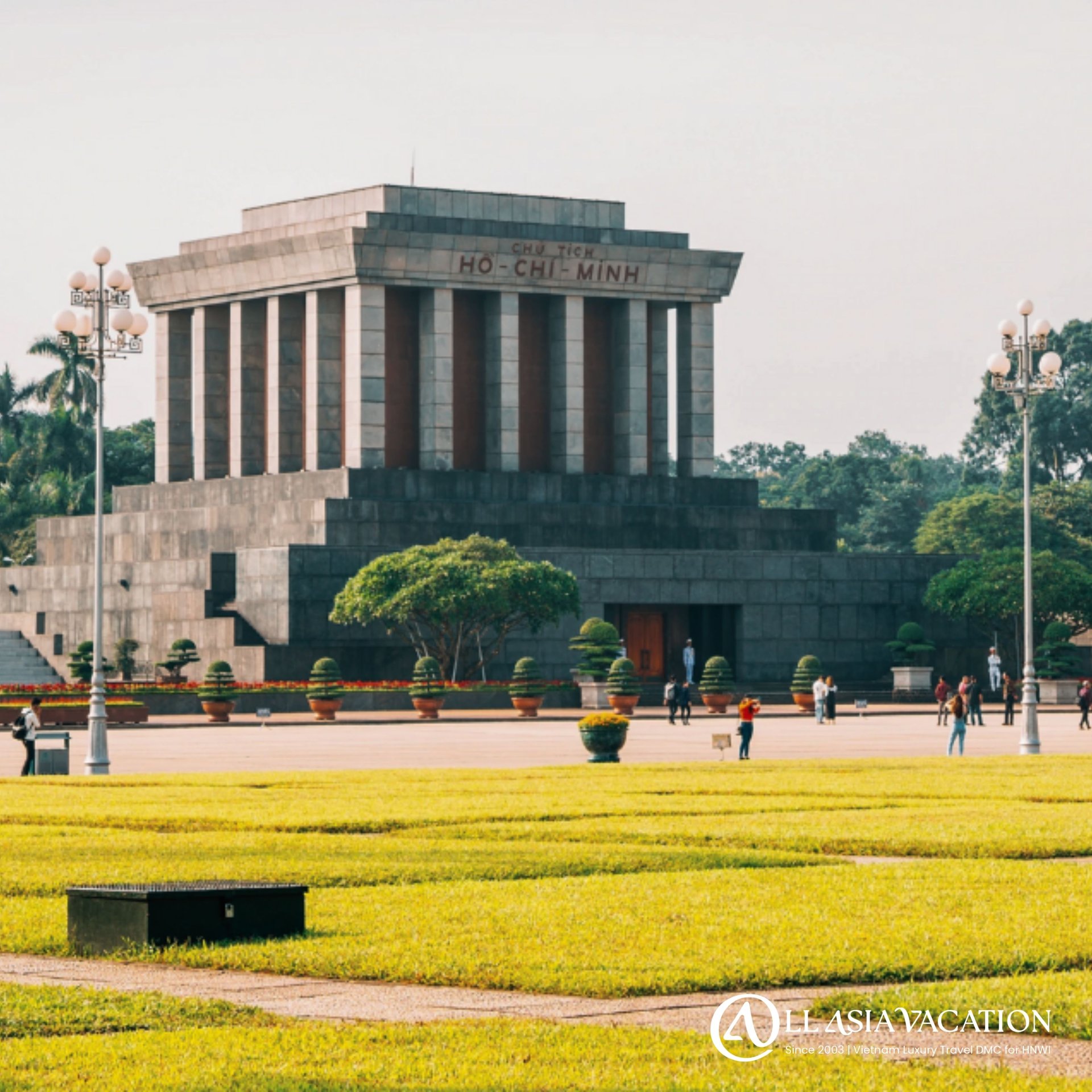
On the way, you may pass the Ho Chi Minh Presidential Relic Site, Temple of Literature, Tran Quoc Pagoda, Hoan Kiem Lake, and the Opera House. Each ride connects layers of Hanoi's story: imperial city, colonial era, wartime, and today.
Part 3: Red River Islet
Cross Long Bien Bridge — one of Hanoi's symbols — and step into another world on the Red River islet. Just minutes from the center, this place is quiet, rural in feel, and still quite untouched.
Explore banana gardens, vegetable plots, flower gardens, and riverside hamlets, where families live close to nature and the rising and falling water. This is the tour's strong contrast: from crowded streets and colonial architecture to fields, gardens, and river life.
You see another layer of the capital — not decorated, but real, simple, tied to the land and water that have nurtured Hanoi for generations.
Part 4: Food
A Hanoi journey is not complete without tasting the city's soul through its food. Along the tour, you enjoy a series of dishes and drinks that Hanoians really eat.
From noodles and cakes to seasonal fruit and snacks, each taste opens a facet of culinary culture. The guide explains how the dish is eaten, why it matters, and how food connects people in Vietnamese life.
End with egg coffee — rich, aromatic, tied to the city's coffee culture.
Come hungry. You will return full, happy, and with a deeper understanding of Hanoi's flavor.
Highlights
Ride through Hanoi's zigzagging alleys and hidden lanes on a vintage Minsk.
Visit the French Quarter, Old Quarter, and Train Street.
Cross Long Bien Bridge to the Red River islet, with gardens and villages.
Taste Hanoi street food and drinks — vegetarian option available.
Local guide shares history, culture, and daily life.
17:00–21:30
Detailed itinerary
Part 1: Hanoi's Hidden Alleys
The journey begins as you slip into narrow alleys and hidden lanes — where local life unfolds every day. Away from main roads and tourist crowds, the group passes through residential alleys, family shops, informal markets, and hidden corners that reveal the city's true character.
Along the way, the guide tells stories of Hanoi life, customs, and the contrast between tradition and today's urban life. This is when Hanoi is most alive: close, colorful, chaotic, and very human.
The group also stops at Train Street, where the tracks run right beside houses and cafes. You drink Vietnamese coffee while life flows along the tracks — a moment found only in Hanoi.
Part 2: French Quarter and Old Quarter
Continue through the French Quarter: wide boulevards, old villas, offices, and grand architecture bearing colonial traces. This is a more leisurely Hanoi, where tree-lined streets and monuments still shape the capital's identity.
From there, the group enters the Old Quarter — Hanoi's old trading heart, where narrow streets, shops, eateries, motorbikes, and centuries-old customs blend together.
On the way, you may pass the Ho Chi Minh Presidential Relic Site, Temple of Literature, Tran Quoc Pagoda, Hoan Kiem Lake, and the Opera House. Each ride connects layers of Hanoi's story: imperial city, colonial era, wartime, and today.
Part 3: Red River Islet
Cross Long Bien Bridge — one of Hanoi's symbols — and step into another world on the Red River islet. Just minutes from the center, this place is quiet, rural in feel, and still quite untouched.
Explore banana gardens, vegetable plots, flower gardens, and riverside hamlets, where families live close to nature and the rising and falling water. This is the tour's strong contrast: from crowded streets and colonial architecture to fields, gardens, and river life.
You see another layer of the capital — not decorated, but real, simple, tied to the land and water that have nurtured Hanoi for generations.
Part 4: Food
A Hanoi journey is not complete without tasting the city's soul through its food. Along the tour, you enjoy a series of dishes and drinks that Hanoians really eat.
From noodles and cakes to seasonal fruit and snacks, each taste opens a facet of culinary culture. The guide explains how the dish is eaten, why it matters, and how food connects people in Vietnamese life.
End with egg coffee — rich, aromatic, tied to the city's coffee culture.
Come hungry. You will return full, happy, and with a deeper understanding of Hanoi's flavor.