
Bot Xuyen Pagoda
Introduction
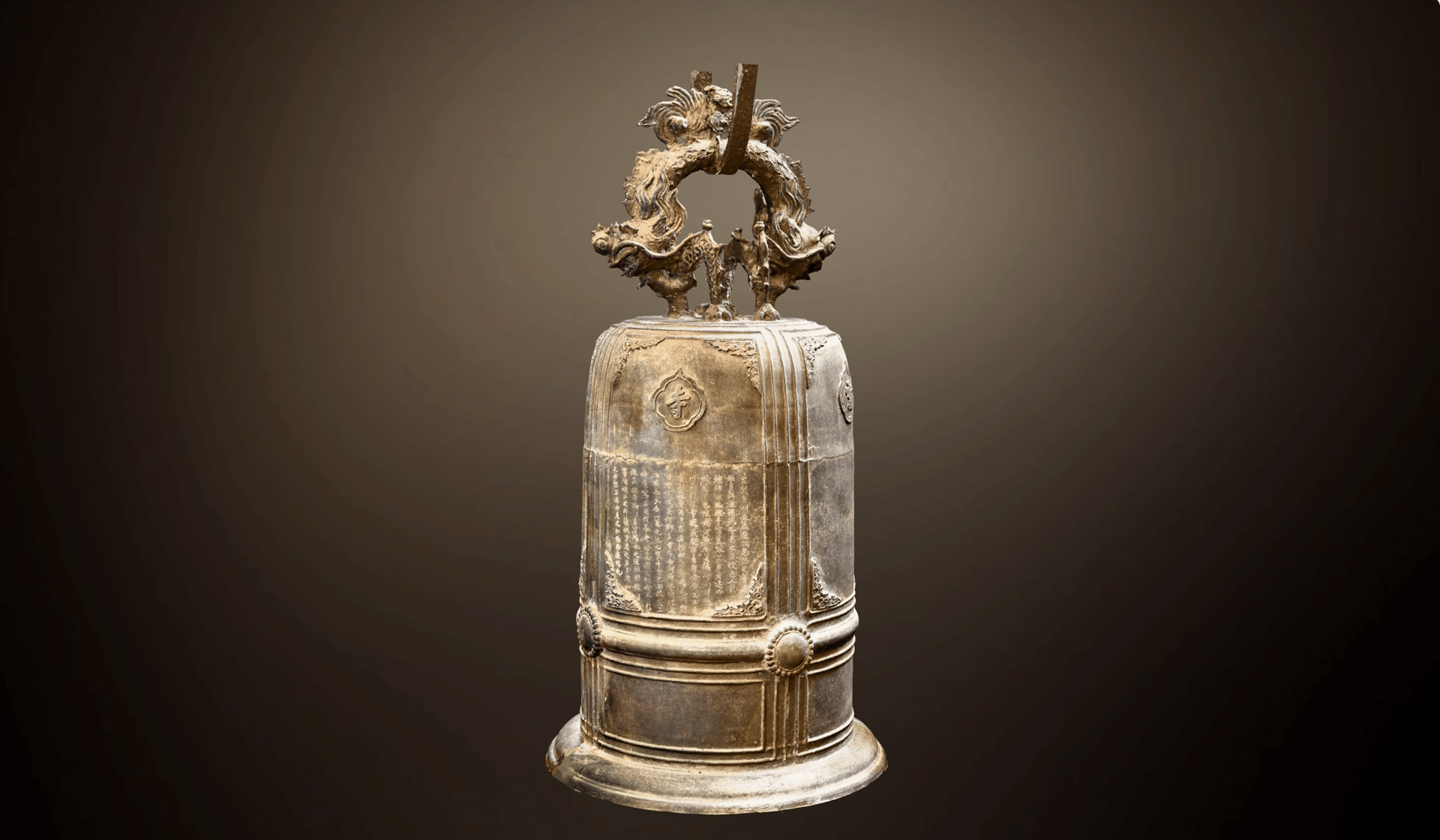
Bot Xuyen Pagoda was rebuilt in the 4th year of Bao Dai's reign (1929); after many restorations, it has its current appearance and bears a strong traditional architectural style.
The pagoda's courtesy name is Linh Quang, meaning sacred light that illuminates the path of practice and enlightenment of Buddhists. Over time, the pagoda has become an important spiritual anchor for local people and pilgrims from afar.
Not only a sacred place of Buddha worship, Bot Xuyen Pagoda also marks heroic pages of Vietnamese revolution. During the pre-uprising period (1941–1942), the pagoda became a secret base of the Communist Party of Vietnam.
Bot Xuyen Pagoda is also associated with the event that Comrade Van Tien Dung – former Politburo member and Minister of National Defense – once lived and operated secretly at Bot Xuyen Pagoda, posing as the abbot to avoid French colonial pursuit.
After many restorations, the pagoda has become spacious and large-scale, with newly built architecture; it currently includes: Tam Quan Gate, Tam Bao Hall, Mother Goddess House, Ancestor House, Memorial House, and Stupa Garden.



