
Phu Xa Dong Pagoda
5.0Free
5.0Free
Introduction
Phu Xa Dong Village, Noi Bai Commune, Hanoi City
Phu Xa Dong Pagoda was built on a large elevated plot in the southwest of the village. Phu Xa Dong Pagoda, also known as Hung Long Pagoda, is a pagoda classified as an artistic architectural monument.
Based on existing artifacts, it can be determined that Phu Xa Dong Pagoda was founded long ago; in Minh Menh 4 (1823), a bell was cast praising the pagoda's beautiful scenery; at the beginning of the 20th century, the pagoda was restored and embellished. The relic layout includes the main pagoda in the shape of the character Dinh and the ancestor house and mother house behind the pagoda, surrounded by a large garden and brick yard.
Overall, the pagoda's architecture has a traditional folk art style. Architectural decorations are concentrated mainly on the ends of bẩy brackets, con rường, corner braces, beam bodies, kẻ bodies, and câu đầu tie beams... with various motifs such as plant patterns, spiral patterns, flowers and leaves, and fully blooming chrysanthemums... with lines bearing natural elements such as prayers for water sources.
The system of worship statues in the Tam Bao hall of Phu Xa Dong Pagoda is arranged in accordance with traditional rules.
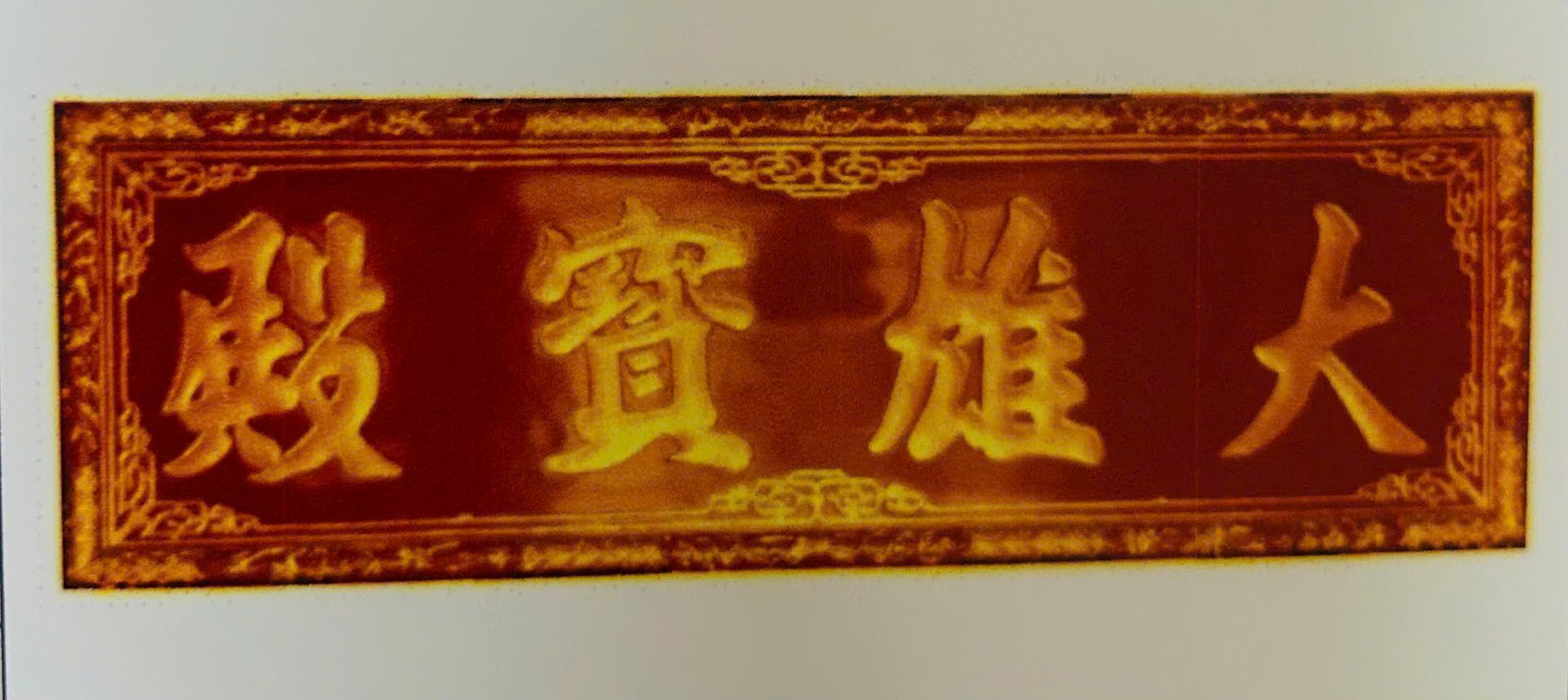
Currently, the pagoda still preserves a number of artifacts of high historical, cultural, and artistic value in various types and materials, such as: a set of 40 large and small statues strongly reflecting 19th- and 20th-century artistic style; 1 bell dated to Minh Menh 4 (1823); 03 lacquered and gilded dai tu plaques dated to the Tu Duc and Thanh Thai reigns, belonging to 19th-century art.
The main festival of Phu Xa Dong Pagoda is held on the 10th day of the first lunar month every year.
Phu Xa Dong Pagoda was ranked as an artistic architectural relic under Decision No. 1528/QD-UBND dated April 20, 2007, of the Hanoi City People's Committee.



