
Phượng Tiên Pagoda
5.0Free
5.0Free
Introduction
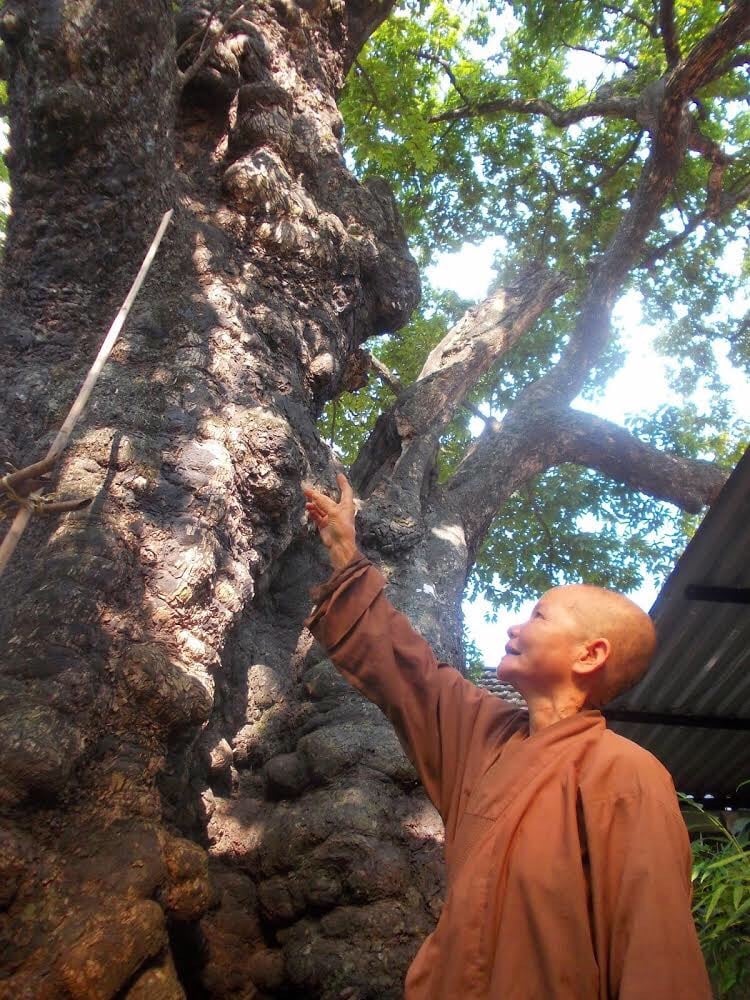
Phượng Tiên Pagoda was built in the 16th century during the Lê dynasty. The pagoda still preserves many historical marks, including an ancient persimmon tree that researchers have determined to be more than 1,500 years old. The pagoda keeps a system of stone steles from the ancestral temple through the dynasties: Minh Mạng, Thành Thái, Tự Đức, Khải Định... During the war years, Phượng Tiên Pagoda was a place for storing food to serve the resistance war.TrThrough the many ups and downs of history, some architectural items of the pagoda have partly deteriorated seriously.TrTalking with the Venerable Elder Abbess Thích Đàm Trung—a native daughter of Hà Nội, she became a nun at the age of 14 at the ancestral place Đào Xuyên. Over many years, under the devoted guidance of her master in Buddhist studies, she quickly absorbed and matured under the roof of the ancient Phượng Tiên Pagoda. As years passed, to this day she still remembers vividly the words her teacher passed down, dedicating her life to saving people and helping the world, educating young nuns and children to soon follow the Dharma and the nation, to live according to socialism, and to preserve the beauty of culture and the identity of her homeland.
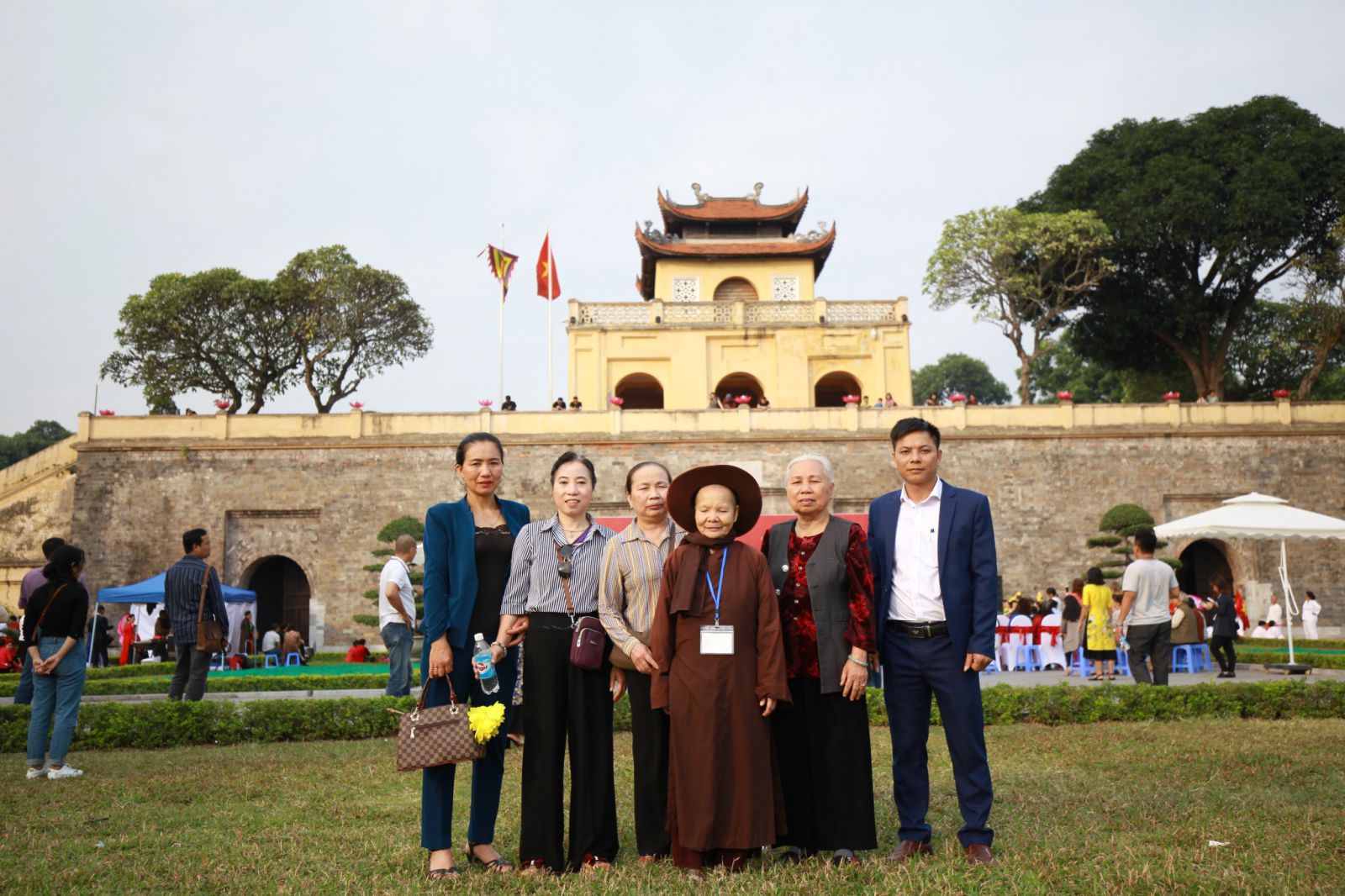
In 2012, she was conferred the title of Nun by the Vietnam Buddhist Sangha at the 7th National Buddhist Congress. During storms and floods or in places where people faced difficulties, she always wholeheartedly helped, mobilizing food and clothing from local people and pilgrims and bringing them to the sites to provide relief. Because of those noble actions, in 2014 she was awarded the Honorary Hồ Chí Minh Badge for the cause of benefiting the country and the people by Vice President Uông Chu Lưu at the Presidential Palace. She was also awarded a commemorative medal by General Võ Nguyên Giáp. As years have passed, although she is now advanced in age, she still lights incense and prays morning and evening for world peace and a peaceful and happy country. The villagers all respect her and often go to the pagoda to help with work there. In particular, the pagoda regularly receives visits and help in its work from young union members.
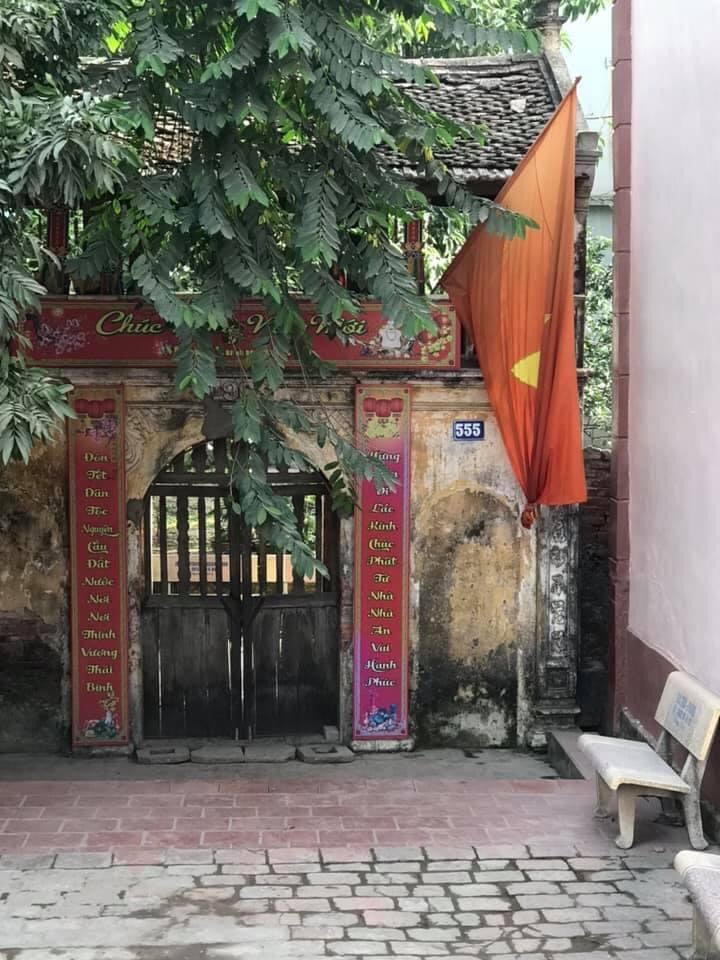
Sharing about her life, the history of the pagoda, and the history of the village and commune culture, Venerable Elder Nun Thích Đàm Trung still cannot hold back a sigh as she worries that the procedures have not been approved to request the construction and restoration of the pagoda. The ancient pagoda is a place for cultural and religious activities for local people and pilgrims, and also educates younger generations to preserve and develop the cultural heritage of their homeland and to implement the decisions of the Party and State on national culture.
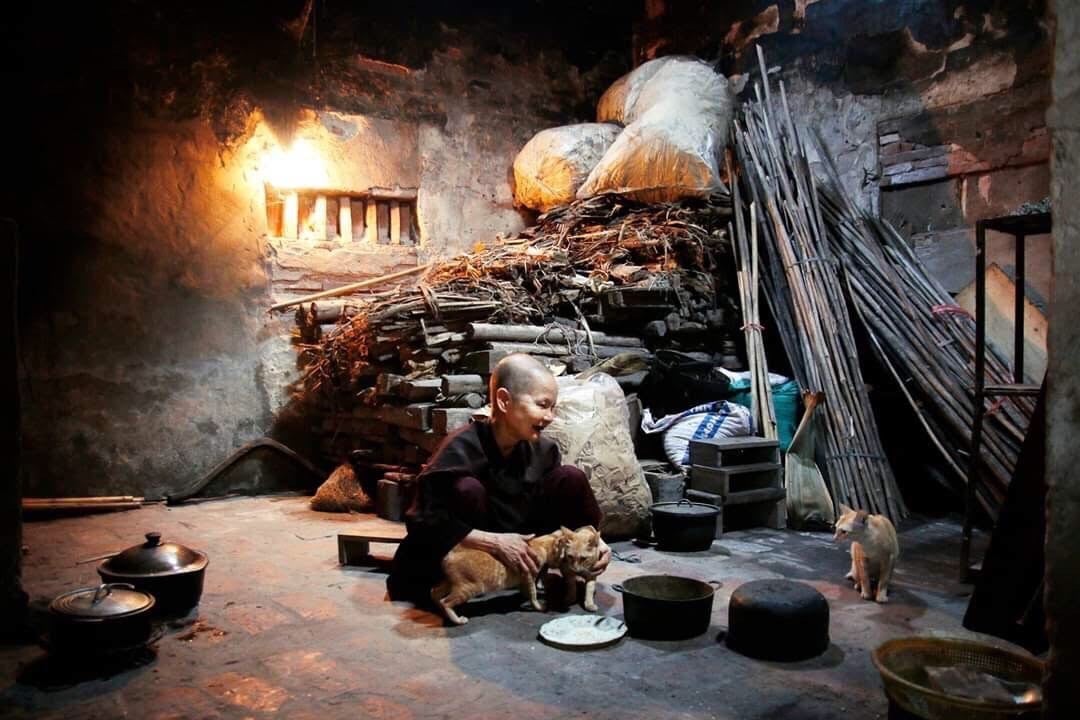
It is hoped that the competent agencies and departments will soon approve the project to build and restore the ancient pagoda in order to preserve, maintain, and develop its cultural and religious values.



