XUAN NE PAGODA
Introduction
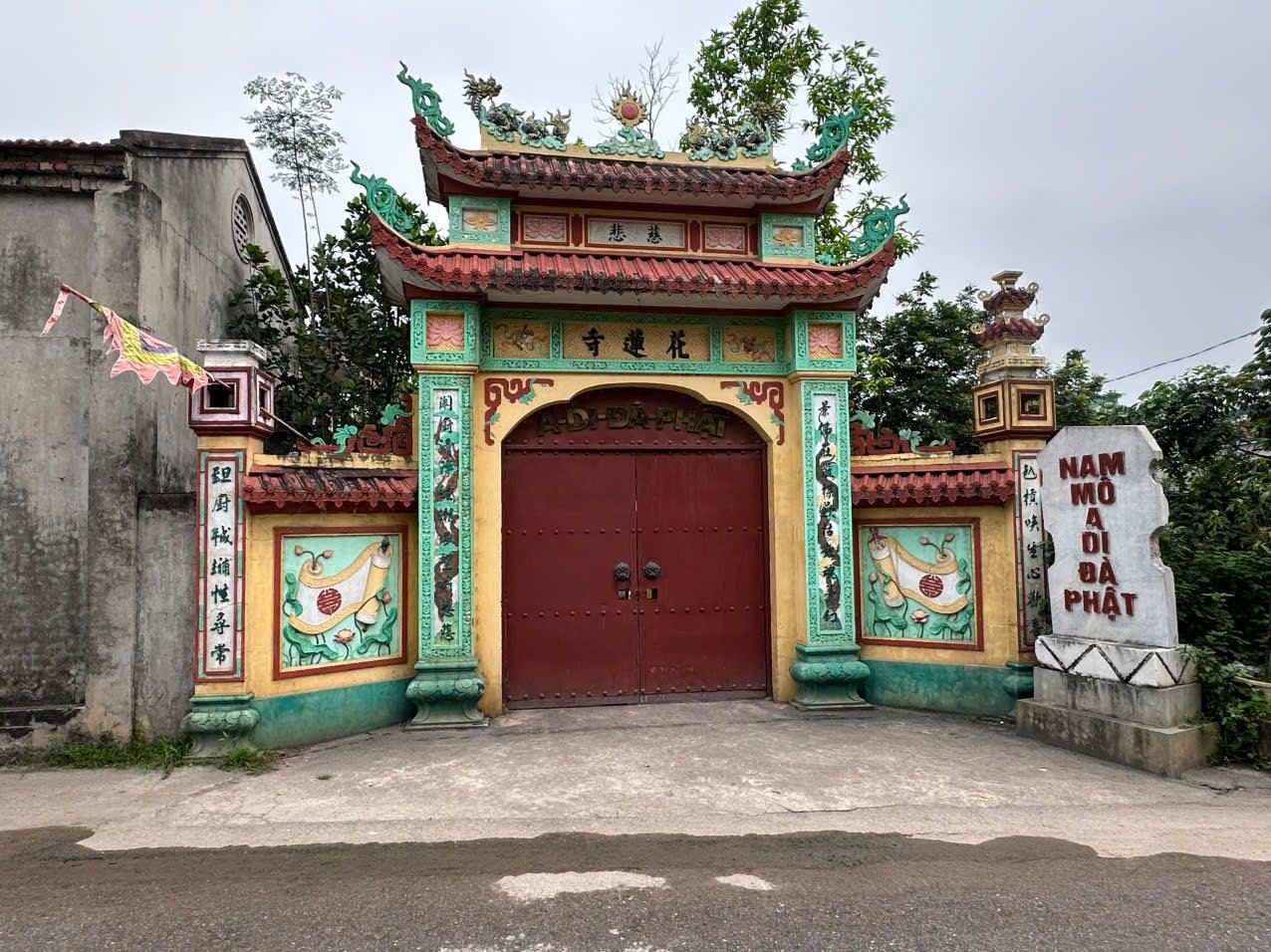
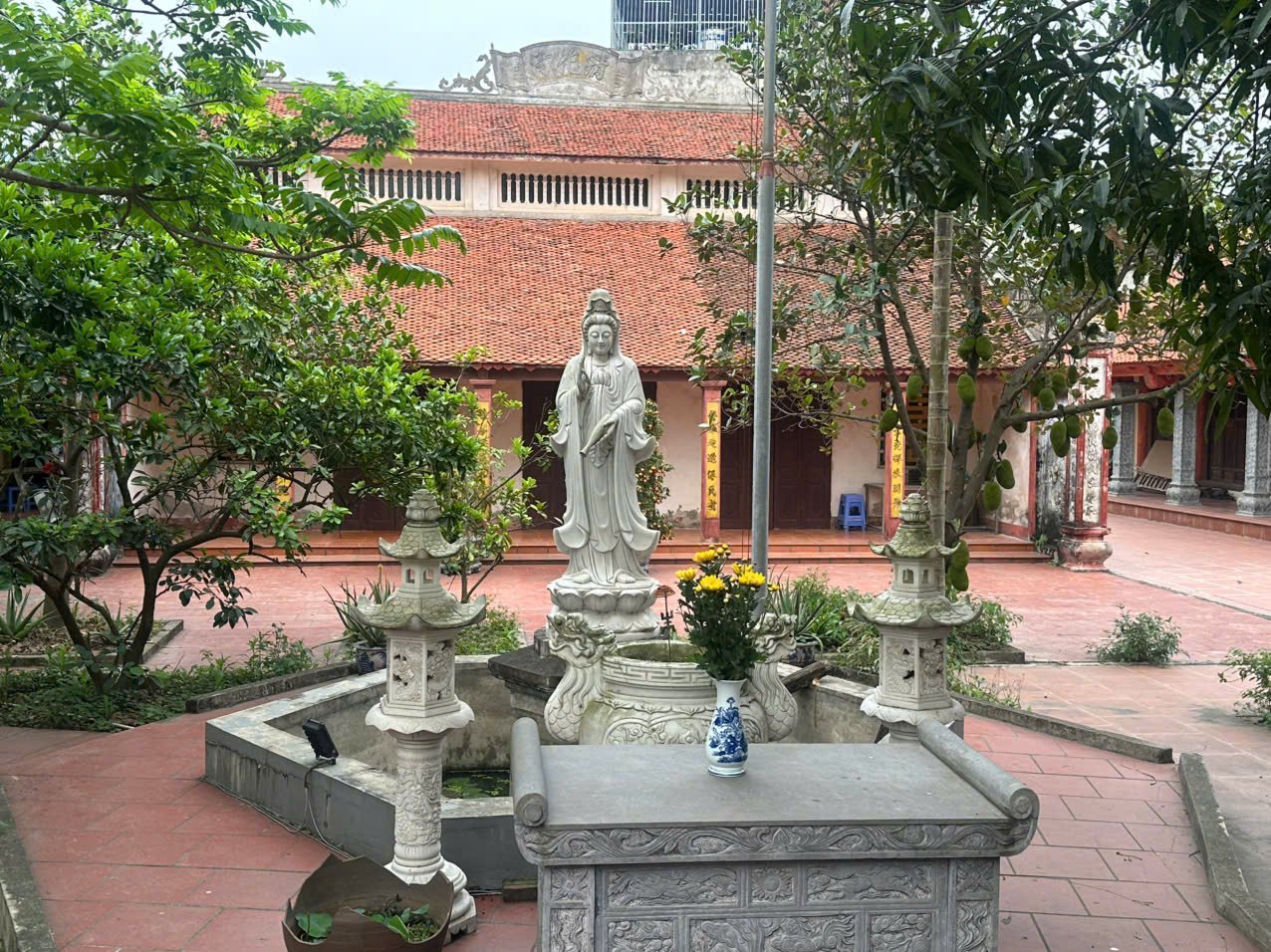
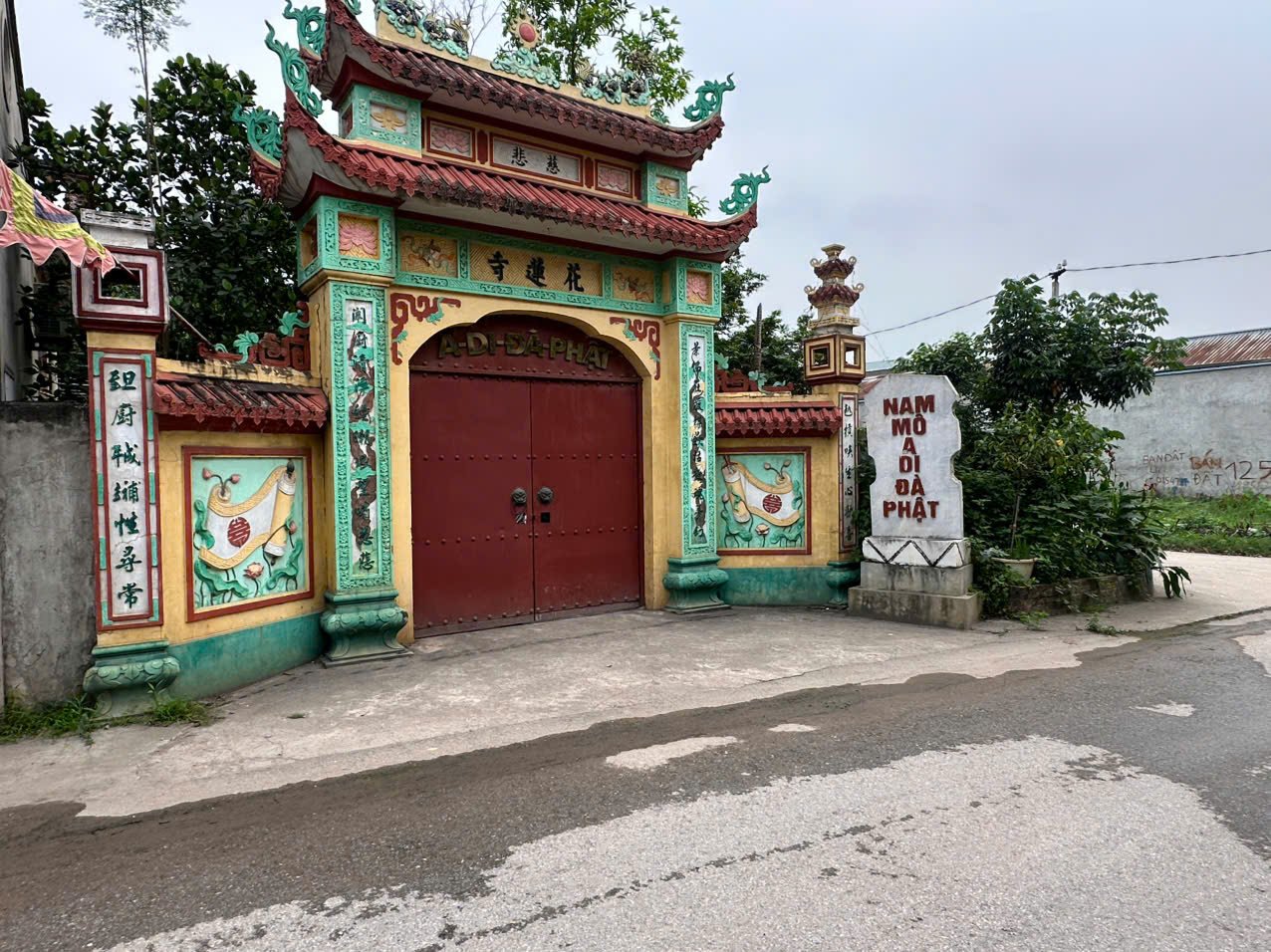
Xuan Ne Pagoda is located in Xuan Ne Hamlet, Ngoc Hoi Commune, Hanoi City. Xuan Ne Pagoda (whose Sino-Vietnamese name is Xuan Ne Tu) is an ancient pagoda imbued with the cultural atmosphere of the old Northern Delta countryside. The pagoda is not only a serene place of Buddhist worship but also a living architectural museum, preserving historical values and exquisite sculptural art spanning many centuries. Surrounded by the cool green space of ancient tree canopies and spacious grounds, Xuan Ne Pagoda appears majestic and solemn, creating a peaceful pause amid the pace of modern life.
In terms of architecture, the pagoda was built according to traditional conventions, with main components such as the Tam Quan (three-entrance gate), Tien Duong (front hall), Thuong Dien (upper sanctuary), Patriarch's House, and Mother Goddess House harmoniously arranged. The Tam Bao (Three Jewels Hall) – the heart of the pagoda – is where ancient Buddha statues are gathered, crafted with great skill, bearing compassionate, otherworldly features with the characteristic lacquer and gold-leaf technique of Nguyen dynasty art. A special highlight of Xuan Ne Pagoda is its system of ancient steles and valuable bronze bell. These stone steles are not only works of calligraphic art but also important historical sources, recording the formation and development of the locality and the contributions of generations of predecessors in preserving the pagoda.
With its outstanding historical and artistic values, Xuan Ne Pagoda has officially been ranked as a Historical-Cultural Relic, affirming its position as a precious heritage of the capital. Every year, the pagoda hosts important ceremonies and cultural-spiritual activities of the villagers, especially on Buddha's Birthday or Vu Lan Festival, attracting a large number of Buddhists and pilgrims from near and far to worship. The presence of Xuan Ne Pagoda, together with the Ngoc Hoi Victory relic complex and nearby communal houses and temples, has created a distinctive cultural-spiritual complex, making an important contribution to moral education and nurturing national pride for future generations.