
Can Khe Temple
Contents
Story
01CAN KHE TEMPLE RELIC
Can Khe Temple (also known as Chan Long Tu) is located in Can Khe village, Phuc Thinh commune, Hanoi city.
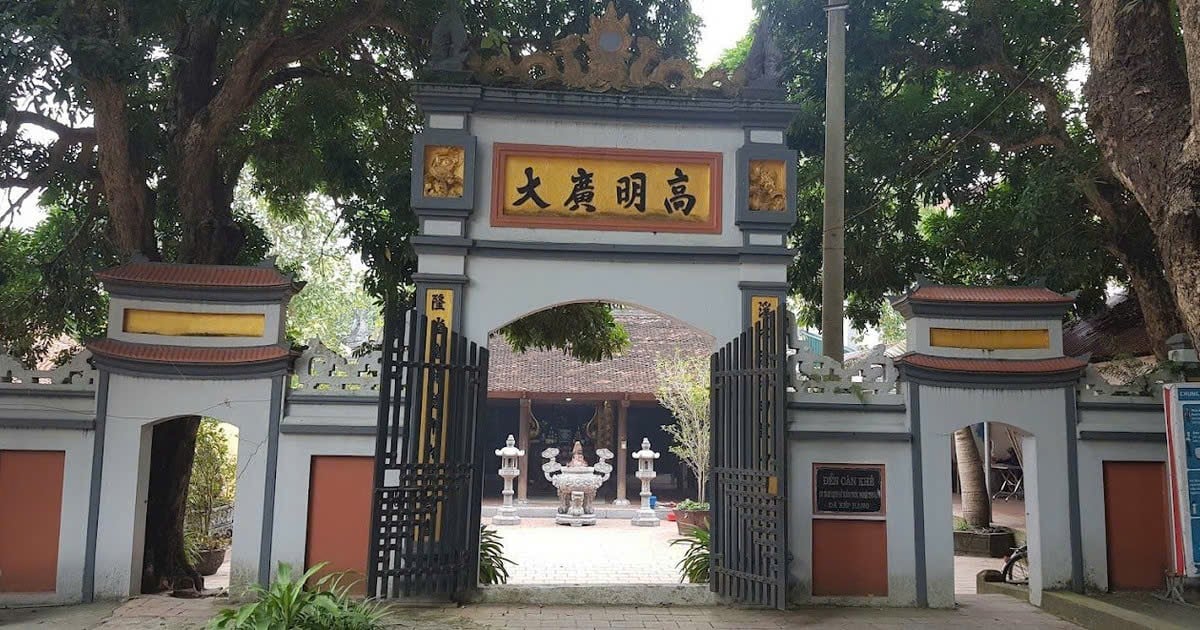
Can Khe Temple stands on ancient land on the south bank of the Ca Lo River, a fertile land bearing many marks associated with the history of our nation's building and defense. The temple is located on a high, spacious plot in the center of the village and is the center of cultural and religious activities for local people. According to stories told by elderly people and historical records, the temple dates back at least to the Le dynasty. After many renovations, the relic currently has a structure including the Tam Quan, Left and Right Corridors, Tien Te house, Dai Te, and Hau Cung. The architectural system is decorated with traditional themes such as the four sacred creatures and four noble plants, along with relief-carved brackets featuring themes of fish transforming into dragons, the four sacred creatures, and chrysanthemum vines, strongly reflecting nineteenth-century artistic style.
The temple is also a place of worship for three deities: Cao Son Dai Vuong, Ly Phat Tu, and Dong Vinh Dai Vuong. Among them, Cao Son Dai Vuong is associated with the legend of his merits in helping King Hung Due Vuong defeat the Ai Lao invaders; Ly Phat Tu is associated with the historical period after the reign of Ly Nam De; Dong Vinh Dai Vuong is recorded as a general who made contributions in the struggle against the Liang army and regained autonomy under Trieu Viet Vuong. All three deities had close ties with the villagers; they were not only talented generals who knew how to fight to protect and build the country but also cared for the people and helped them make a living. Therefore, after their deaths, they were revered by the villagers as deities and worshipped in the temple. The worship of these deities expresses the people's respect and gratitude toward figures associated with our nation's tradition of building and defending the country.
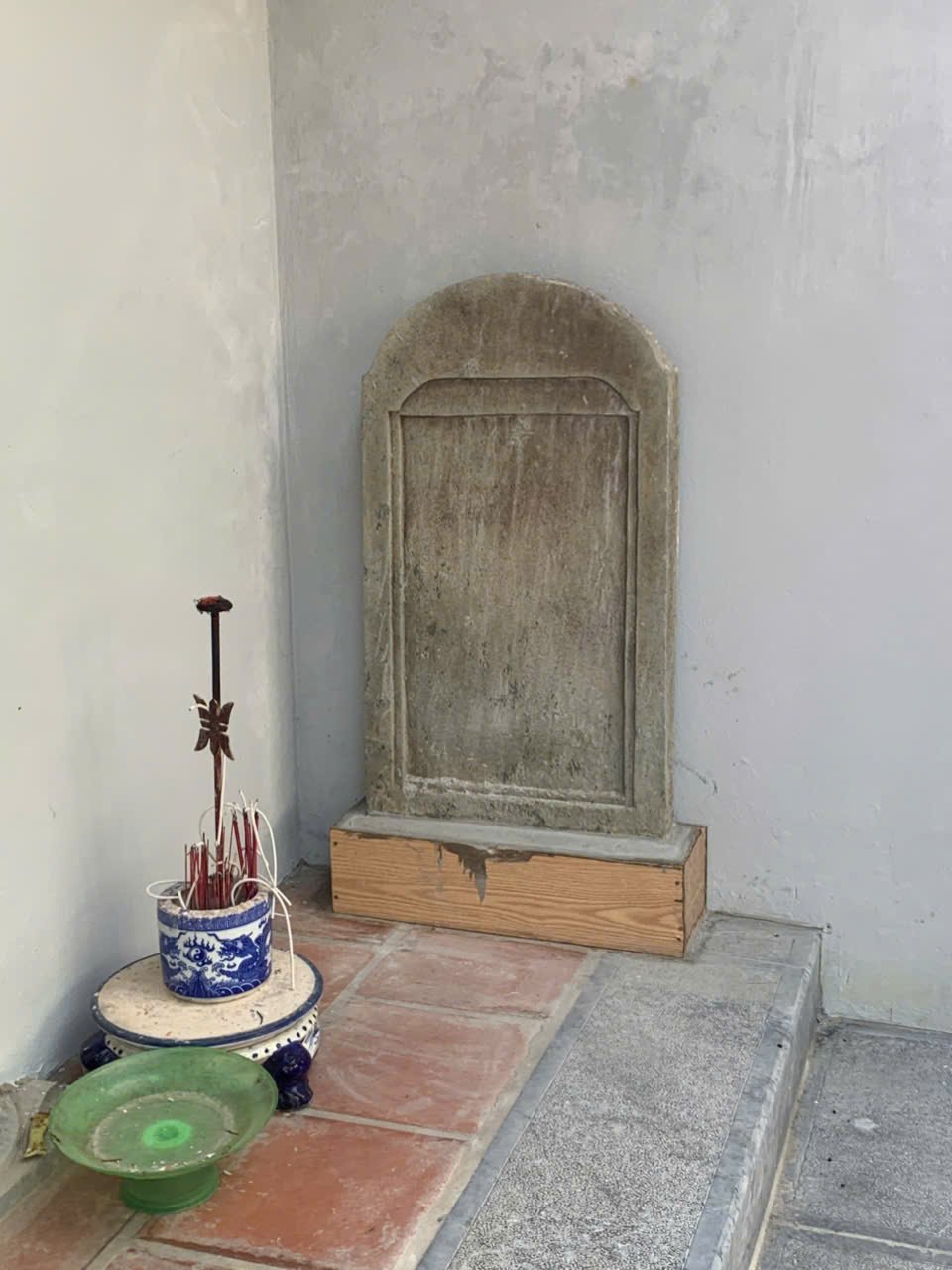
Historical traces at the temple are also reflected through the system of steles, royal edicts, and worship objects. Notably, the two stone steles at the relic include one dating from the Le dynasty and one from the Nguyen dynasty; among them, the stele dated to the first year of Chieu Thong (1787) records the establishment of a rear worship at the temple. The relic also records a copied system of 22 royal edicts dating from the Le to Nguyen dynasties, along with a deity register compiled in the 13th year of Bao Dai (1938).
In addition to historical value, Can Khe Temple also preserves many artifacts of cultural and artistic value, such as worship thrones, palanquins, shrines, horizontal plaques, parallel couplets, bronze bells, curtains, worship statues, and traditional ritual objects. Many artifacts bear nineteenth- and twentieth-century artistic styles, demonstrating exquisite carving techniques along with traditional decorative themes such as dragons facing the sun, the four sacred creatures, and ancient patterns. Each artifact not only has meaning in worship activities but is also valuable material reflecting the artistic level, customs, and cultural life of the community through different periods.
To preserve local cultural heritage, the Can Khe Temple relic has implemented a restoration and embellishment project in the 2023-2025 period, contributing to improving the relic space and meeting the people's religious needs. Today, Can Khe Temple is not only a place for spiritual activities but also a place preserving the precious historical and cultural imprints of the homeland, nurturing pride and awareness of preserving national cultural identity for future generations.
Can Khe Temple (Chan Long Tu) was ranked as a City-level historical and architectural-artistic relic under Decision No. 1653/QD-UB dated March 25, 2003.



