
City-level relic of Kỳ Úc Communal House, Phúc Thọ Commune
Introduction
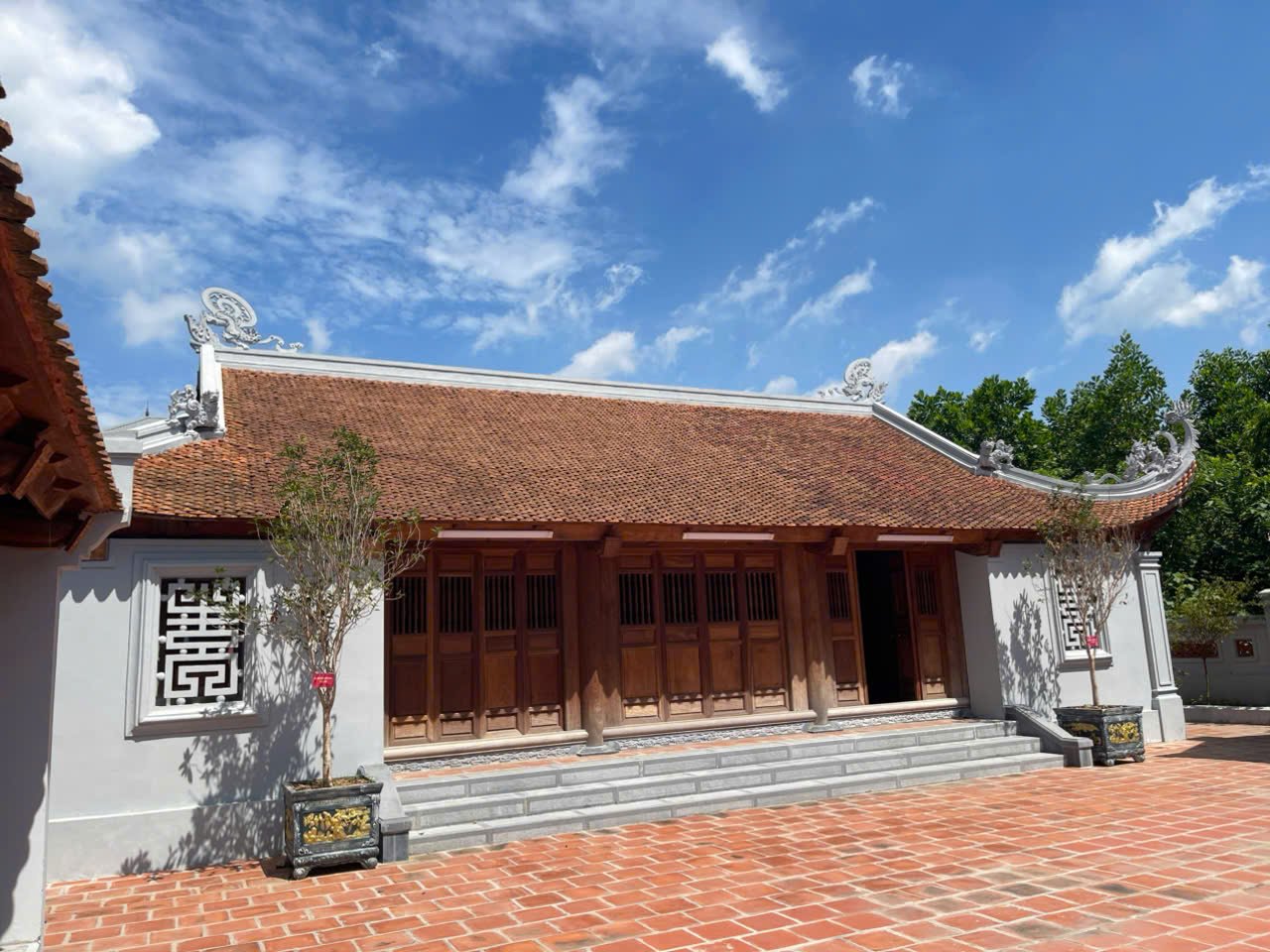
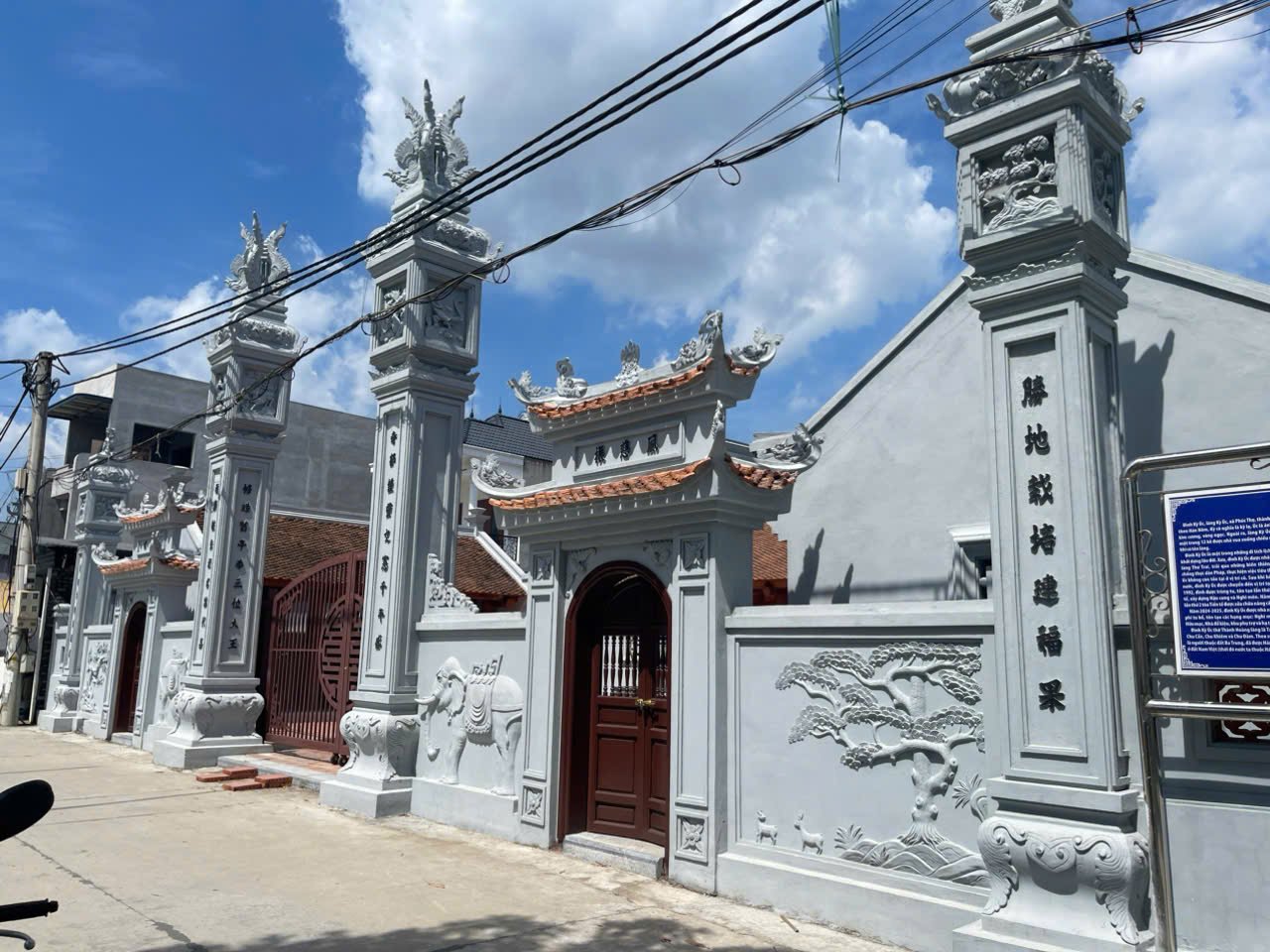
City-level relic of Kỳ Úc Communal House, Phúc Thọ Commune
Kỳ Úc Communal House, Kỳ Úc Village, Phúc Thọ Commune, Hanoi City. The name Kỳ Úc in Sino-Nom: Kỳ means strange or wondrous, Úc means the radiant light of diamond, gold, and jade. In addition, Kỳ Úc Village also has the name 'Kẻ Ao', one of the 12 kẻ named by royal decree since ancient times before the village had its name.
Kỳ Úc Communal House is one of the historical and cultural relics with a long-standing founding date. In the past, Kỳ Úc Communal House was built by the people adjacent to Thư Trai Village; through historical changes and the war against the French colonialists, when the scorched-earth resistance policy was carried out, Kỳ Úc Communal House no longer existed at its old location. After peace and national reunification, Kỳ Úc Communal House was moved to its current location. In 1992, the communal house was restored and embellished for the first time, the Tiền Tế house was repaired, and the Hậu Cung and Nghi Môn were built. In 2001, it was restored and repaired for the second time; the Tiền Tế building was repaired and upgraded to be more spacious.
In 2024-2025, Kỳ Úc Communal House received State attention and funding for the restoration and embellishment of items: Nghi Môn, Tiền Tế, Hậu Cung, Left and Right side halls, palanquin storage house, ancillary area, and technical infrastructure.
Kỳ Úc Communal House worships the village tutelary god, the three Chu saints: Chu Cẩn, Chu Khiêm, and Chu Đàm. According to the legend, the three Lords were originally people from Ba Trung land and were sent by Emperor Han Xian to serve as officials in Nam Việt land, when our country belonged to Han. When they arrived in Nam Việt land, the three Lords established fortresses to fight against Meng Huo's army. In battle, all three Lords passed away in the area of Thạch Thất, Phúc Thọ... Therefore, many places in these localities brought their spirit tablets to establish communal houses, temples, and shrines for worship. Through many historical changes, later when our Vietnam gained autonomy, the three Lords also manifested to help the country be peaceful and the people safe. When King Lê Trang Tông ascended the throne in 1533-1548, he conferred titles on the three Lords: Bảo Trung Đại Vương, Vũ Mãnh Đại Vương, and Uy Liệt Đại Vương.
The traditional festival of Kỳ Úc Village Communal House is held annually according to ancient customs, with the main festival held once every 3 years. The Kỳ Úc Communal House festival is held for 3 days: it opens on the 9th day of the 2nd lunar month and ends on the 11th day of the 2nd lunar month. In main festival years, the ceremonial part includes offerings and palanquin processions; the festive part includes traditional local folk games, Chèo singing performances, and sitting in boats in the pond singing Quan Họ in front of the communal house. In years when the main festival is not held, the village organizes the annual traditional festival so that local people and children working far from home remember the traditional festival day.
Kỳ Úc Village Communal House was ranked as a City-level historical relic by the Hanoi City People's Committee under Decision No. 364/QĐ-UBND dated January 16, 2020.



