
Bau Temple Artistic Architectural Relic
Good to know
- You should arrive early for an open and airy experience
- Free
- Convenient access by taxi or bus.
Introduction
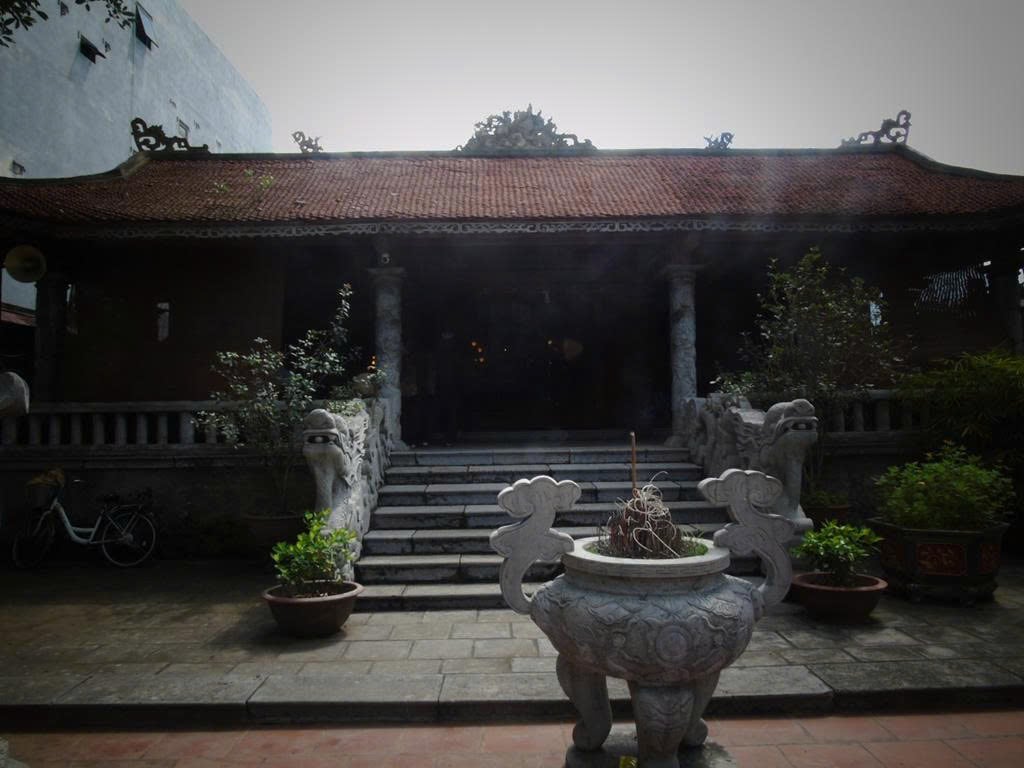
According to historical documents, genealogies, and oral traditions preserved in the local community, the traditional Festival of Bau Communal House and Temple was formed very early, associated with the long-term settlement process of agricultural residents in the Northern Delta. The festival is held to remember and honor the village tutelary deities and predecessors who contributed to founding the village, establishing hamlets, and protecting the homeland; at the same time, to pray for national peace and prosperity, favorable weather, good harvests, and a peaceful, prosperous, and happy life for the people.
Bau Communal House and Bau Temple are important cultural and religious institutions of Bau Hamlet in particular and Thien Loc Commune in general, closely associated with the formation and development of the village through many historical periods. Through the ups and downs of time, war, and natural disasters, the relic has still been preserved and restored, becoming a symbol of community solidarity and of the moral principles 'when drinking water, remember its source' and 'when eating fruit, remember the person who planted the tree' – core values in the cultural life of Vietnamese people.
With outstanding historical, cultural, and artistic architectural values, on January 23, 2009, the Hanoi City People's Committee issued Decisions No. 515 and 516/QD-UBND recognizing Bau Communal House and Bau Temple as historical and artistic relics. This is an important milestone affirming the value of the relic and the local historical tradition, while also demonstrating the attention of authorities at all levels to the preservation and promotion of cultural heritage.
More Other places
- Other placesVerified
Gioi Duc Pagoda (Hong An Temple)
Ung Hoa Commune
5.0Free  Other placesVerified
Hai Giac Pagoda
O Dien Commune
5.0Free Other placesVerified
Phuong Bang Pagoda (Hung Long)
Son Dong Commune
5.0Free Other placesVerified
Sung An Pagoda, also known as Sung Khang Pagoda (Dong Ba Pagoda)
Thượng Cát Ward
5.0Free
