
Ân Phú Pagoda National Historical and Cultural Relic
Good to know
- You should arrive early for an open and airy experience
- Free
- Convenient access by taxi or bus.
Introduction
Ân Phú Pagoda National Historical and Cultural Relic, Phúc Lộc Commune
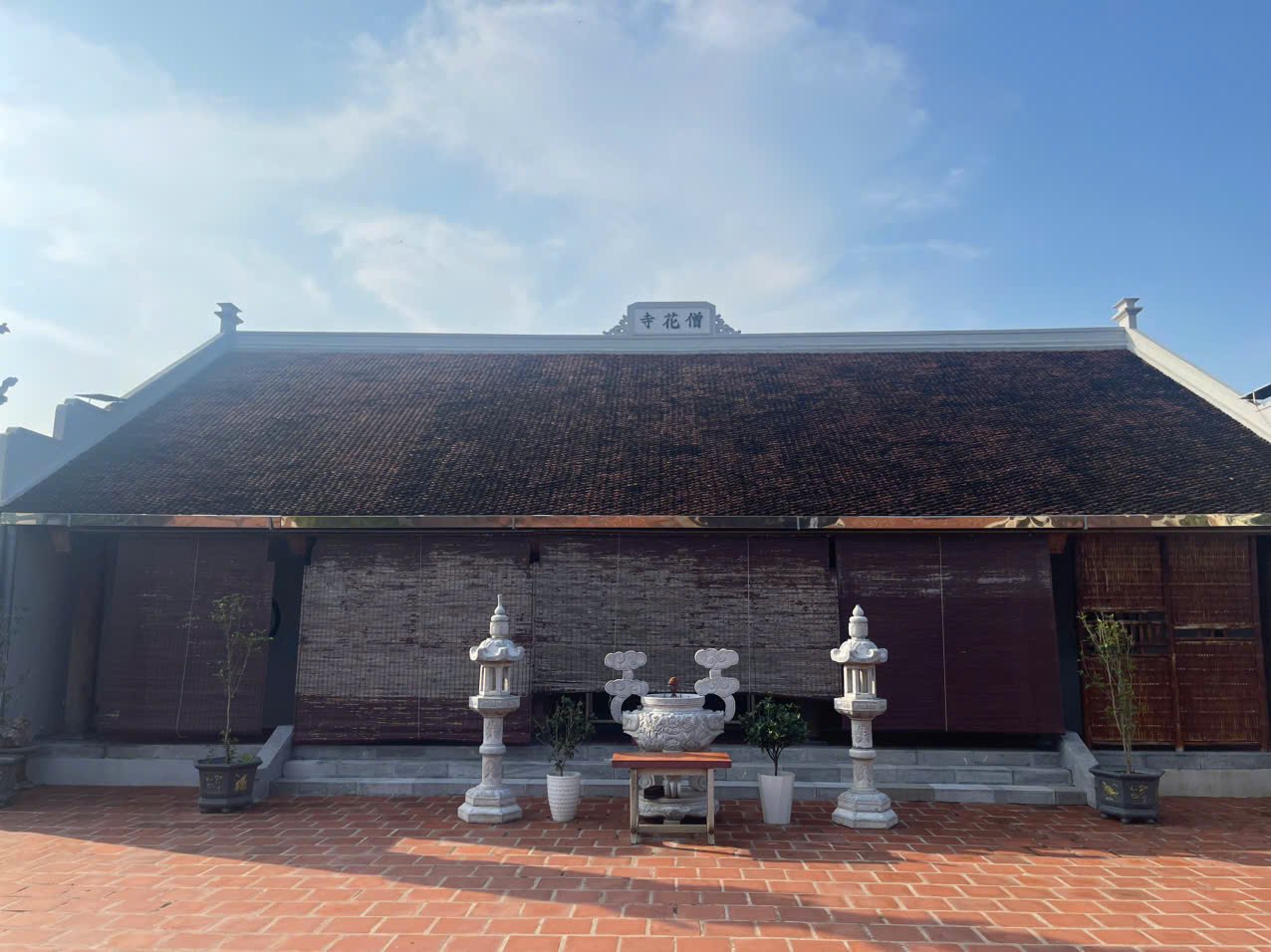
Tăng Hoa Pagoda, also known as Ân Phú Pagoda, is currently located in Xuân Phú Hamlet, Phúc Lộc Commune, Hanoi City.
Ân Phú Pagoda is an ancient pagoda located in an area with a long history. According to local people's recollections, it was built very early. Based on the stele erected at the pagoda in 1723, the pagoda was built in the late 18th century; at the beginning of the 19th century, the villagers contributed money and property to expand the pagoda's architectural scale. During this restoration, wooden statues of Amitabha, Tuyết Sơn, and Maitreya were also added. In the Duy Tân era, several families unanimously donated money to buy bronze and cast a new bell to replace the old cracked one. The work was completed in the Duy Tân Nhâm Tý year, on the 25th day of the 12th lunar month (December 25, 1913). In the following years, Tăng Hoa Pagoda continued to receive attention and repairs. The pagoda's current architecture is the product of restorations at the end of the Nguyễn dynasty. Through the ups and downs of the nation's struggle history and insect damage, the pagoda no longer has its former scale. In 2025, the pagoda was invested in and restored by the state; it is now spaciously built with items including the Tiền Đường, Thượng Điện, Tam Quan Gate, Mother House, and auxiliary works.
The pagoda has 17 statues, including 6 statues and the Nine-Dragon Throne created in the 18th century; the remaining statues were created in the 19th century. In particular, the Nine-Dragon Throne is cast in bronze with highly unique artistry. This is a valuable Nine-Dragon Throne in the capital, along with two Thổ Hà ceramic incense bowls from the 19th century.
Ân Phú Pagoda has existed for a long time and is closely associated with the development process and customs of an ancient Vietnamese community. The pagoda is a place of religious activity for the people and preserves many cultural values, propagating and enlightening the people of Ân Phú. During the resistance years, the pagoda was also a liaison station, shelter, and first-aid station for local troops and guerrilla militia.
Ân Phú Pagoda was ranked as a national historical and cultural relic by the Ministry of Culture, Information, Sports and Tourism in Decision No. 2009VH/QĐ dated November 15, 1991; it is a nationally ranked relic.
More Other places
- Other placesVerified
Gioi Duc Pagoda (Hong An Temple)
Ung Hoa Commune
5.0Free  Other placesVerified
Hai Giac Pagoda
O Dien Commune
5.0Free Other placesVerified
Phuong Bang Pagoda (Hung Long)
Son Dong Commune
5.0Free Other placesVerified
Sung An Pagoda, also known as Sung Khang Pagoda (Dong Ba Pagoda)
Thượng Cát Ward
5.0Free
