
Historical and cultural relic of Luc Xuan Communal House, Phuc Loc Commune, Hanoi City
Good to know
- You should arrive early for an open and airy experience
- Free
- Convenient access by taxi or bus.
Introduction
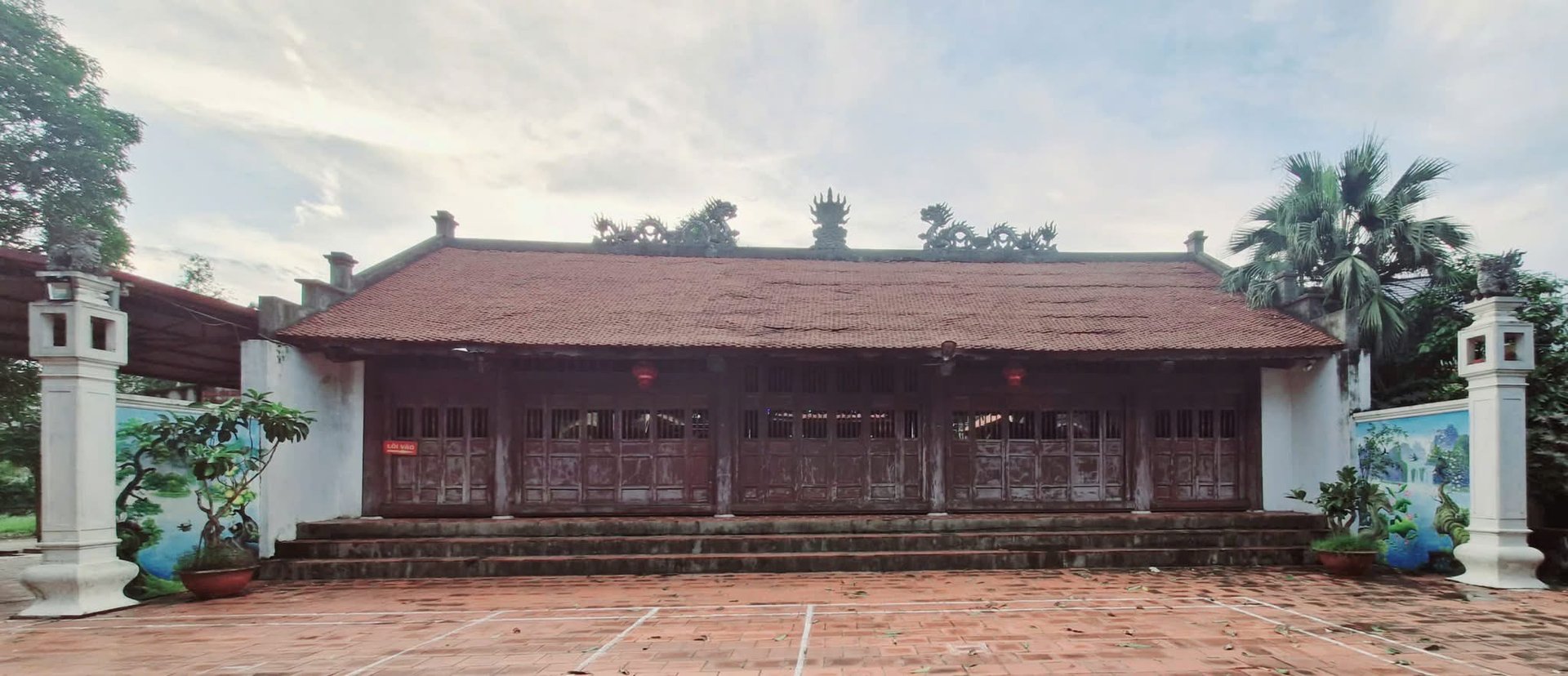
Historical and cultural relic of Luc Xuan Communal House (Luc Gia Communal House)
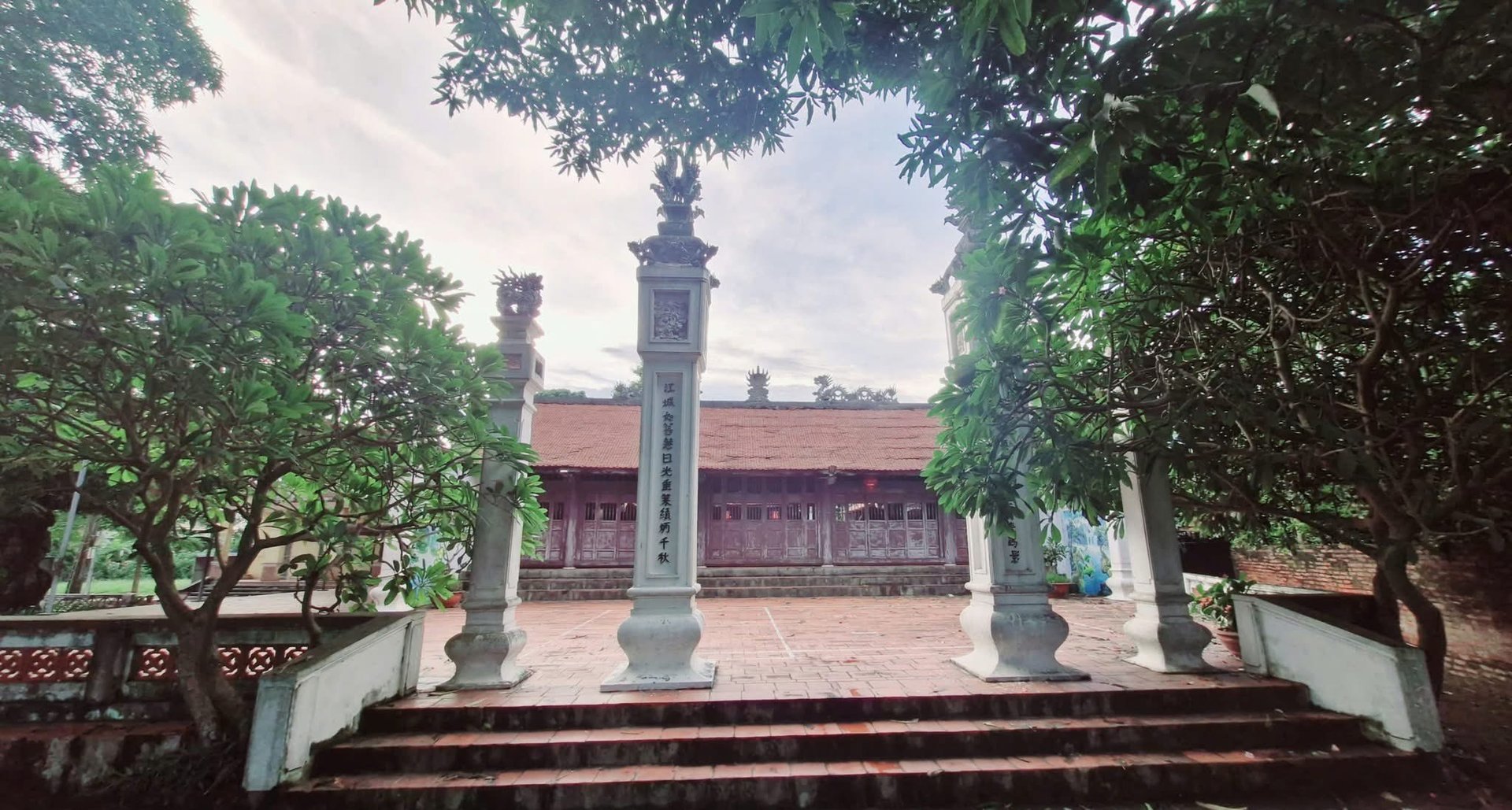
Luc Gia Communal House was built long ago in the center of Luc Xuan Village, Phuc Loc Commune, Hanoi City. It is surrounded by many ancient trees, creating an atmosphere that is always quiet and cool.
Luc Gia Communal House has architecture in the traditional folk style of the Doai region and worships Saint Bach Hac Tam Giang Dai Vuong as the village tutelary deity.
Currently, the communal house bears the artistic style of the Nguyen era and includes the following items: ceremonial gate, front ceremonial hall, rear sanctuary, and left and right side halls.
According to the deity genealogy compiled by Grand Secretary of the Eastern Hall Nguyen Binh in the Quy Ty year (1437), during the reign of King Le Thanh Tong under the Hong Duc era name, it was copied in the 13th year of the Vinh Huu era under King Le Y Tong by Manager of the Hundred Deities and Director of the Temple, Hung Linh Junior Minister Nguyen Hien, and was respectfully copied again in the 7th year of Khai Dinh (1922). His background and career can be summarized as follows:
He was born on the 10th day of the 3rd month in the Tan Hoi year, during the Later Ly Nam De period, in Hoan Chau. When he grew up, he learned immortal arts and traveled everywhere to cure diseases and save people; later he returned and established a hermitage in Bach Hac village.
On a day of wind, rain, thunder, and lightning, a golden cloud flew from the west; on both sides were fairy boys and jade maidens with flutes and music, and rows of tigers and leopards came to kneel before him. He followed the cloud and disappeared; that was the 25th day of the 9th month. The local people knew he had attained the Way and asked someone to paint his image, which was carried into the Tam Thanh shrine (Bach Hac Temple) for worship. From then on, he often manifested his power to cure diseases and save people, and the people's prayers usually came true.
In the reign of King Tran Nhan Tong, the Mongol Yuan invaders came to invade our country. Hung Dao Dai Vuong received the king's order to go fight the enemy. Passing by here, he was told in a dream by the Saint to ask for spiritual support to protect the country. After defeating the invaders, the court conferred on him the title Protecting the country and bringing peace to the people – Supreme Deity, and granted him fields and money for offerings in the four seasons. Later generations offered a couplet:
Bach Thanh manifests its power in a dream by the river
Luc Chu forever hands down the merit of protecting the country
This fairly fully expresses his merits to the country and the people. The communal house currently preserves 8 royal edicts from the reigns of Kings Thieu Tri, Tu Duc, Duy Tan, and Khai Dinh, and 4 stone steles from the reign of King Bao Dai.
One of the highlights associated with Luc Xuan Communal House is its traditional festival. Every year, from the beginning of the first lunar month, the people of Luc Xuan Village eagerly await the festival. The village festival is held from the 11th to the 13th day of the first lunar month every year; villagers organize ceremonies together with local people and visitors from everywhere, and children of the village who work far away return to admire and make offerings to pray for peace at the start of the new spring.
Luc Gia Communal House is a place for cultural and religious activities of the Luc Xuan Village community, with main items including the Great Hall, through the umbrella courtyard to the Rear Sanctuary. On both sides of the Rear Sanctuary are the left and right side halls, forming an enclosing 'vi' layout. The wooden structures are exquisitely carved in traditional Nguyen dynasty motifs. The communal house has witnessed many historical events of the country during the resistance wars against France and the United States and during peacetime construction. It was a meeting place for guerrilla cadres, an evacuation site for Hanoi kindergartens during the evacuation years, the district Party school, and major conferences of the commune and village.
From its initial construction in the early days to the present, the communal house has gone through many ups and downs of history. Time has worn it down, but with the grateful and reverent hearts of the people of generations of descendants and visitors from everywhere, many contributions of labor and money have been made many times to restore and preserve the relic, such as in the Quy Ty year (1893), the Binh Dan year (1926), and most recently the Canh Dan year (2010), when with the attention of Party committees, authorities, villagers, and visitors from everywhere, the entire communal house was dismantled and restored to achieve the imposing and spacious beauty it has today. Just as the couplet on the outer face of the gate's bronze pillars states:
The restored scenic site gathers its sacred power; from the clouds comes the image of a crane
The river citadel remains as before; the light of the wise sun hands down a thousand-year legacy
It is a center for cultural and spiritual activities of Luc Xuan Village and a place where the festival is held according to traditional rituals, meeting the requirements of national character, science, and popular appeal.
Luc Gia Communal House is also a place to educate people about love for the homeland and country and about humanity in each person, so that everyone works enthusiastically in production, enjoys a warm and happy life, and builds an increasingly rich and beautiful homeland.
Luc Gia Communal House was decided by the People's Committee of Ha Tay Province, now Hanoi City, to be ranked as a provincial-level historical and cultural relic under Decision No. 1979 dated November 14, 2006.
More Other places
- Other placesVerified
Gioi Duc Pagoda (Hong An Temple)
Ung Hoa Commune
5.0Free  Other placesVerified
Hai Giac Pagoda
O Dien Commune
5.0Free Other placesVerified
Phuong Bang Pagoda (Hung Long)
Son Dong Commune
5.0Free Other placesVerified
Sung An Pagoda, also known as Sung Khang Pagoda (Dong Ba Pagoda)
Thượng Cát Ward
5.0Free
