
Lưu Thượng Sedge, Rattan and Bamboo Weaving Craft Village Tourist Site
Introduction
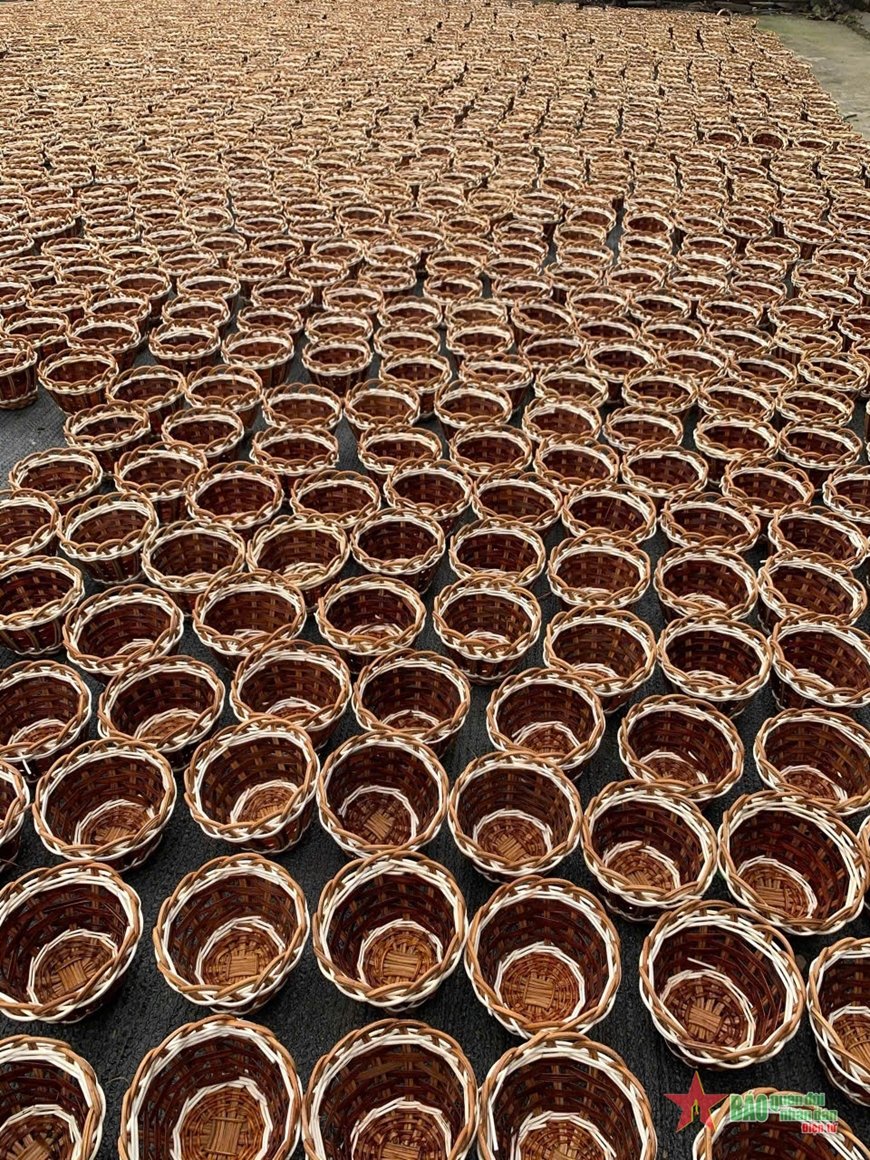
PHÚ TÚC SEDGE WEAVING CRAFT VILLAGE TOURIST SITE – A PLACE THAT PRESERVES THE ESSENCE OF TRADITIONAL CRAFT
The Phú Túc sedge weaving craft village tourist site is one of the representative craft village cultural destinations in the southern part of the Hanoi capital region. It is known not only for the traditional sedge weaving craft but also for the cultural, historical, labor and creative values crystallized through many generations of local people. From simple natural materials, Phú Túc artisans have created durable, beautiful, highly aesthetic, environmentally friendly handicraft products with high utility in modern life.
The sedge weaving craft in Phú Túc was formed long ago, associated with natural conditions, living customs and production labor needs of residents in the Northern Delta. According to documents introducing the craft village, since ancient times local people have known how to exploit sedge, rattan, bamboo, giang and other natural materials to weave items for daily life. Initially, products were mainly simple household items and agricultural production tools. Over time, with the diligence, skill and creativity of artisans, weaving in Phú Túc gradually developed, expanded designs, improved quality and became a distinctive traditional craft of the locality.
A valuable aspect of the Phú Túc sedge craft is the harmonious combination of handwork and creative thinking. Sedge is a rustic material; after being selected, preliminarily processed, dried, whittled, softened and appropriately treated, it is woven by artisans into many products of different shapes, sizes and functions. Each stage requires care, patience and experience. Artisans must know how to select material strands, adjust the tightness of the weave, maintain the product shape, treat surfaces and finish every detail so that the product is both sturdy and attractive. This meticulousness has created the distinctive character of Phú Túc sedge products: simple yet refined, familiar yet highly aesthetic.
Today, products of the Phú Túc sedge craft village are very diverse, including baskets, bags, trays, boxes, hampers, decorative items, household goods, interior products, souvenir gifts and many handicraft models serving domestic and export markets. The products not only meet daily use needs but also suit green consumption trends, reducing plastic waste and prioritizing natural materials and environmentally friendly products. This is an important advantage for the craft village to continue developing in the context of growing interest in cultural tourism, experiential tourism and the creative economy.
The people of Phú Túc are the soul of the craft village. Over many generations, local people have preserved the craft through love of labor, pride in their homeland and responsibility toward the heritage of their ancestors. In each family, the image of elderly and young people participating together in stages of the craft has become a familiar part of daily life. Experienced people pass the craft on to later generations; young people absorb traditional techniques while boldly innovating designs, applying e-commerce and promoting products on digital platforms. Thanks to this, the sedge craft is not only preserved but also adapts to market demand, creates additional livelihoods for local people and lays a foundation for local economic development.
The recognition of the Phú Túc Sedge, Rattan and Bamboo Weaving Craft Village as a tourist site by Hanoi City is an important milestone in the transition from a traditional production craft village to a cultural and experiential tourism destination. From here, the value of the craft village lies not only in products sold but also in the entire cultural space, production process, craft stories, artisans' skills and the lifestyle of the community. Visitors to Phú Túc can tour the craft village space, learn about its formation history, observe production stages, experience weaving, meet artisans and choose handicraft products as gifts for family, friends and partners.
The Phú Túc sedge weaving craft village tourist site is of great significance in promoting the local image. For domestic visitors, this is a place to learn more about a traditional craft of Hanoi, feel the value of manual labor and the beauty of the new countryside associated with cultural identity. For international visitors, Phú Túc is a destination that helps them get closer to Vietnamese culture through handmade products made from natural materials bearing the imprint of the craft village community. Each sedge product is not only an item or souvenir but also a story about the land, people, craft and the enduring creativity of the people of Phú Túc.
In its development orientation, the Phú Túc sedge weaving craft village tourist site needs to continue linking traditional craft preservation with sustainable tourism development. The focus should be on improving the quality of visitor reception space, building reasonable tour routes, standardizing interpretation activities, improving the environmental landscape, diversifying experiential products, and developing display, introduction and sales points. At the same time, attention should be paid to training community tourism skills for local people, supporting artisans and production households in innovating designs, building brands, protecting products, and bringing products to modern sales channels and digital platforms.
With a long historical foundation, distinctive products, a dedicated team of artisans and the advantage of being a craft village tourist site of the capital, Phú Túc has sufficient conditions to become an attractive destination on Hanoi's cultural tourism map. Coming to Phú Túc, visitors not only buy a handicraft product but also come into contact with a vivid living cultural space, where the traditional craft is still present in daily life, where artisans' hands continue to tell the story of the skill, perseverance and creativity of Vietnamese people. The Phú Túc sedge weaving craft village tourist site is therefore an address worthy of respect, worthy of experience and worthy of introduction to the wider public, domestic visitors and international friends.



