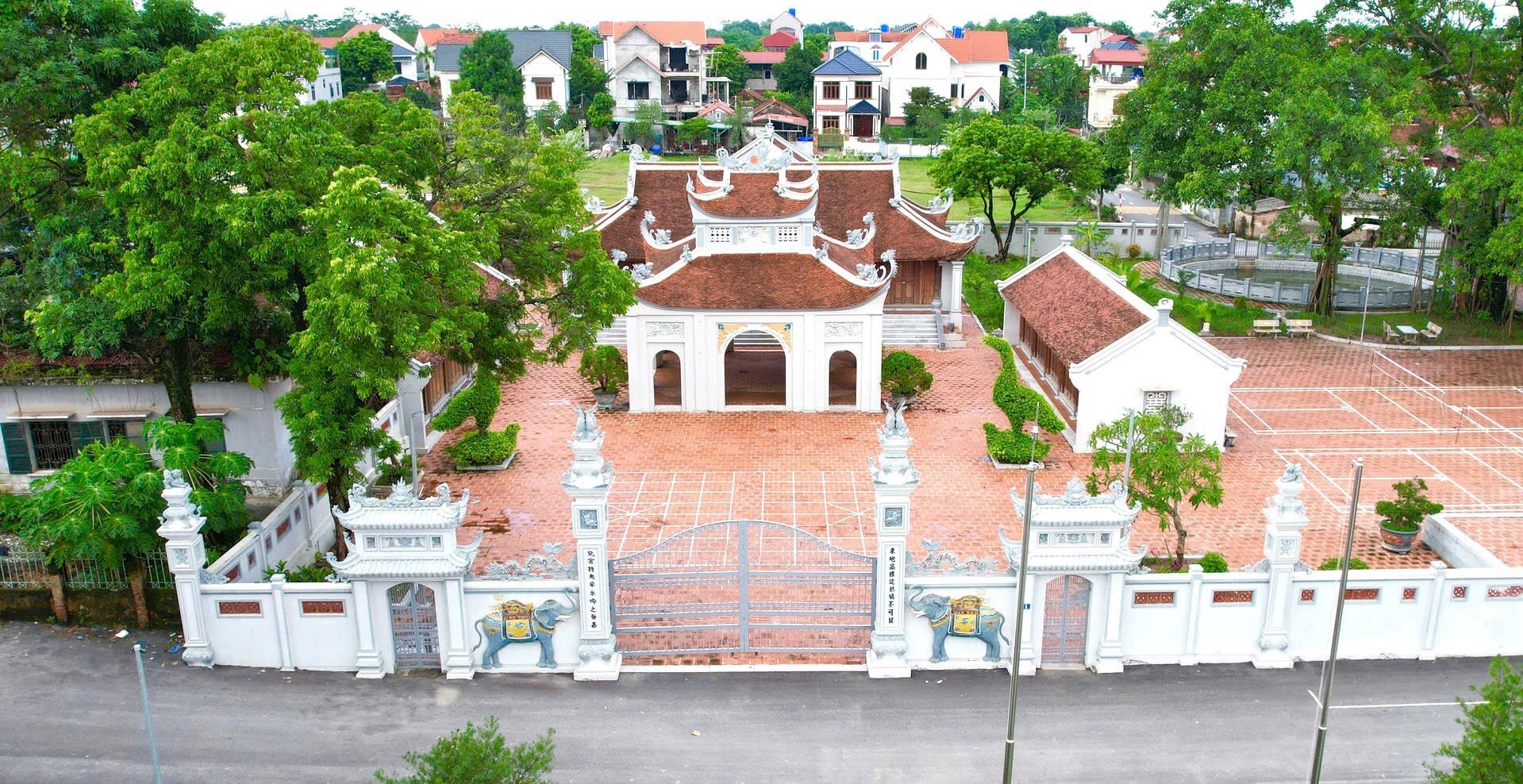
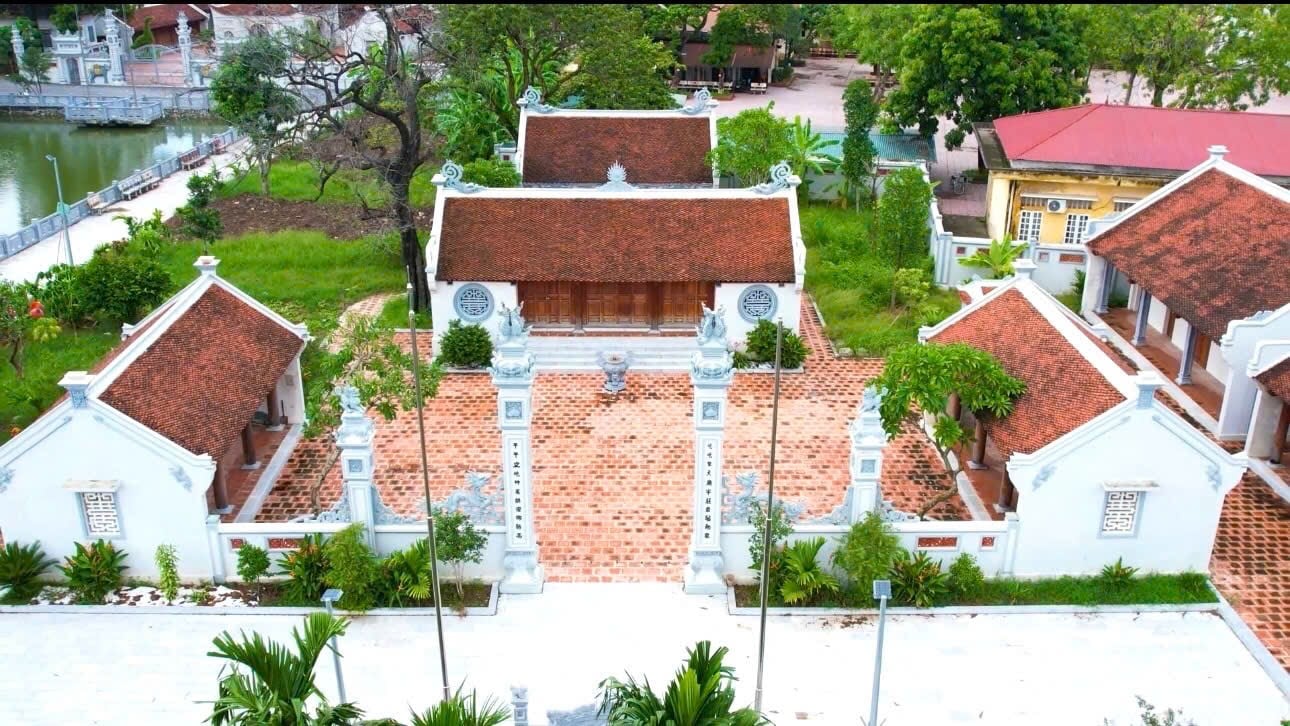
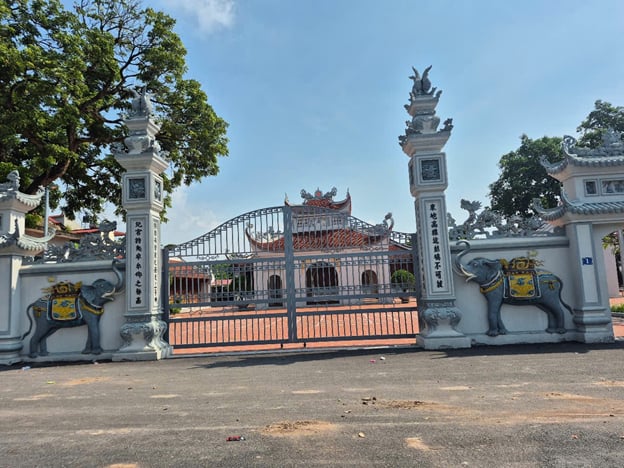
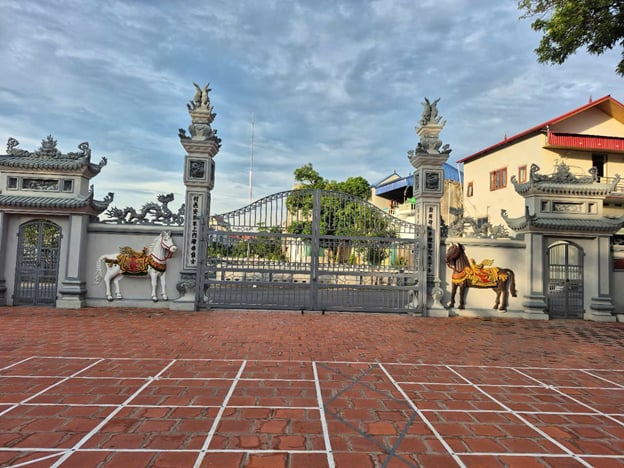
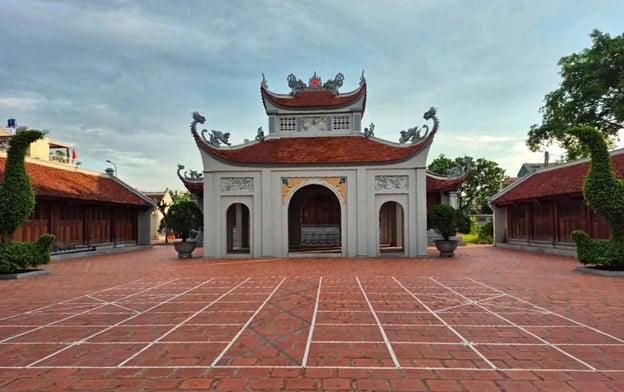
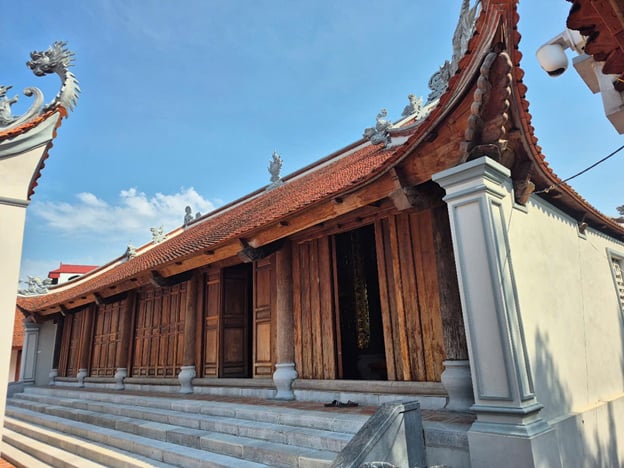
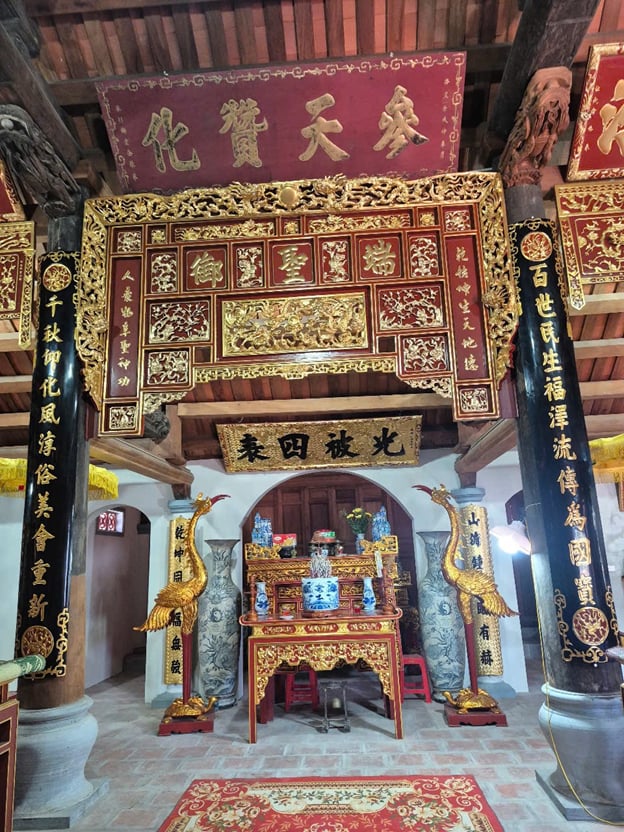
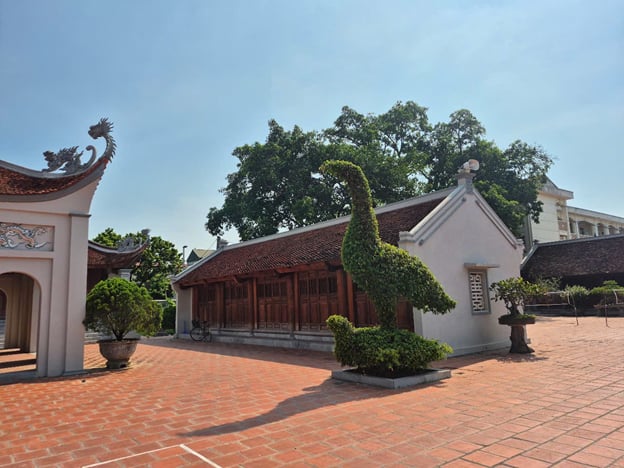
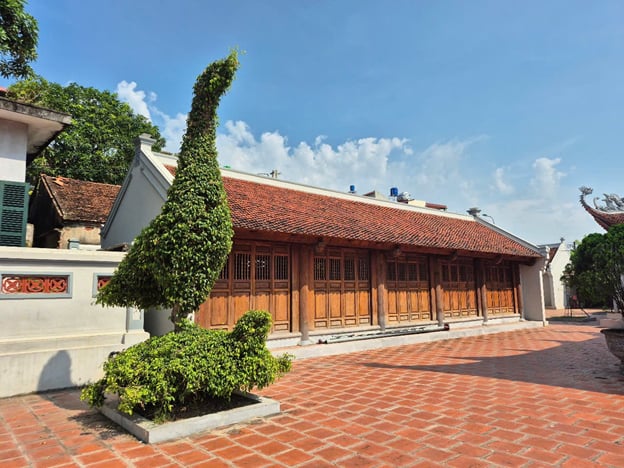
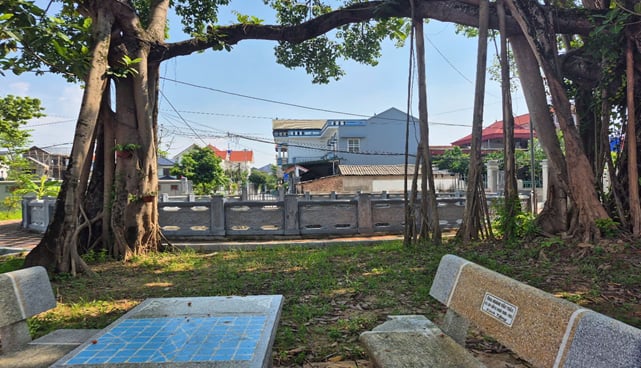
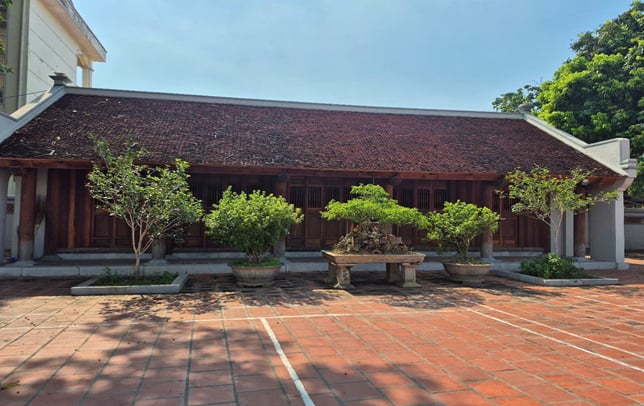
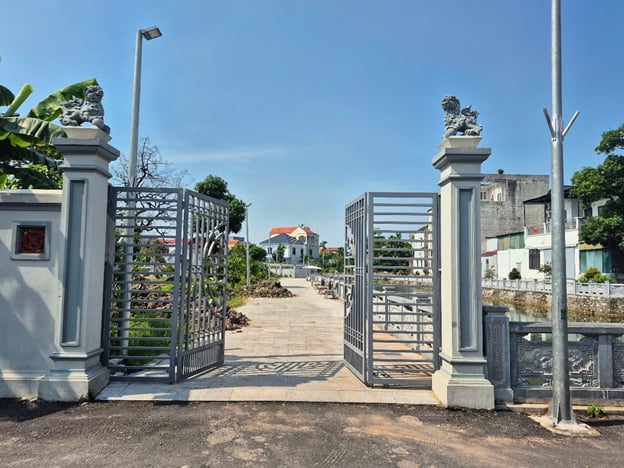
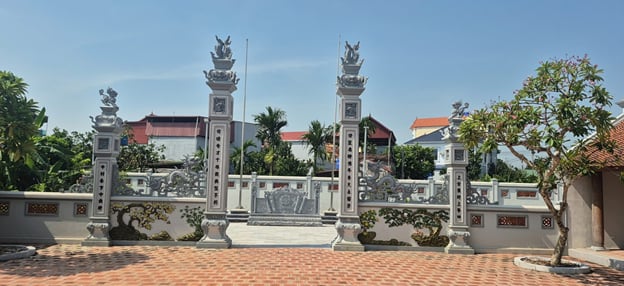
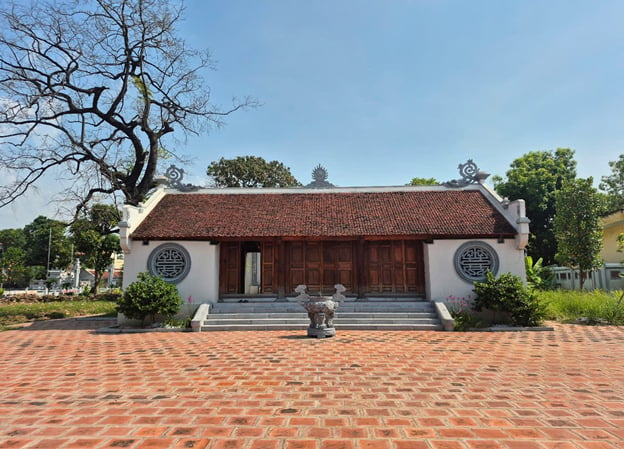
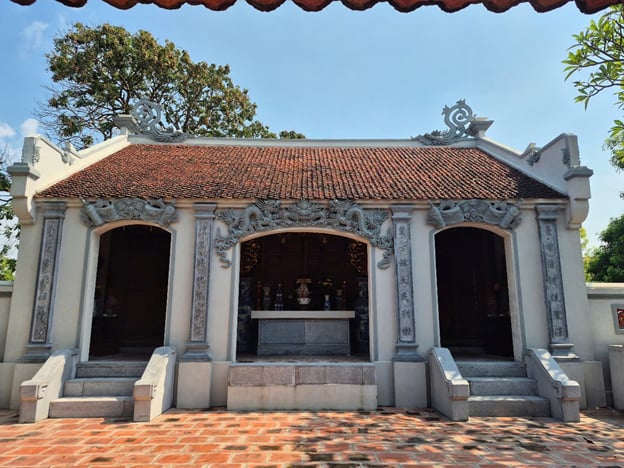
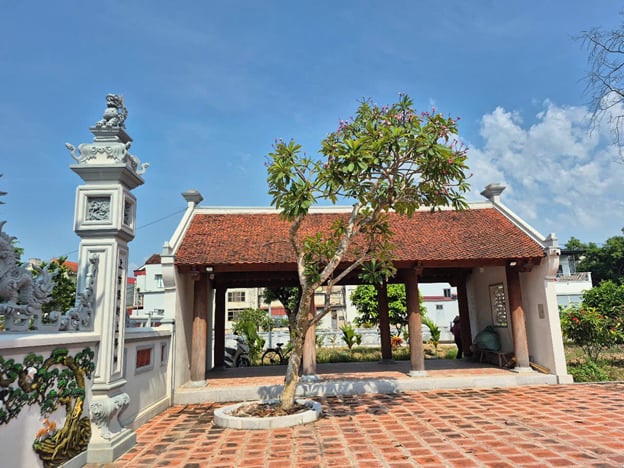
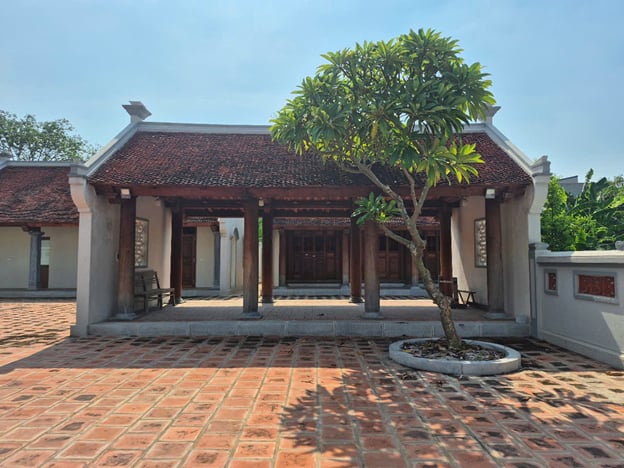
According to the accounts of elderly villagers, the traditional festival of the people of Doai, Tan Do, Thuong Xuy Xa, and Noi villages has existed since ancient times. Throughout the war period, the festival was interrupted; in 1980, it was restored by local people and maintained to this day. The festival takes place over four days, from the 6th to the 9th day of the second lunar month each year; every two years the main festival is organized once with palanquin processions and folk games; in ordinary years, only sacrificial ceremonies are held at the village communal house. The festival is held at Doai communal house and the shrines of three villages (Doai, Tan Do, and Thuong Noi). Because the communal houses and shrines of the three villages worship four brothers, the villages usually organize the festival together each year. However, the main festival takes place at Doai communal house (Doai village communal house), the center of the four villages and the place where the deities gather.
According to legend, historical records, and writings on the genealogy, bronze books, and imperial edicts of feudal dynasties concerning the Four Great Kings, especially the genealogy compiled by historian Nguyen Binh in 1570, the four village tutelary gods worshipped at the communal houses and shrines of the villages all bear the Cao surname, including: Cao Xuan Dung Great King (worshipped at Thuong shrine), Cao Xuan Uy Great King (worshipped at Dong Doai shrine), Cao Xuan Luoc Great King (worshipped at Tan Do shrine), and Cao Xuan Hung Great King (worshipped at Noi shrine). Legend has it that the four Cao men were four brothers who made great contributions helping the Ly dynasty fight invaders and protect the country, and died in the Xuy Xa area. To remember their merits, the people established places of worship at the shrines in Doai, Thuong Xuy Xa, Tan Do, and Noi, and organize an annual festival to offer sacrifices, commemorate, and express gratitude for the merits of the Four Great Kings. According to local traditional rituals, in years when the main festival is held, festival ceremonies take place in traditional order. On the 6th day of the second lunar month, the palanquins carrying the Four Great Kings of Thuong Xuy Xa, Tan Do, and Noi villages formerly—now corresponding to processions from Tan Do and Thuong Noi villages—are carried to Doai communal house to perform ceremonies together, opening the main activities of the festival. The procession is organized solemnly with the participation of a large number of people from the villages, expressing reverence and gratitude for the merits of predecessors; the procession ritual not only has deep spiritual meaning but is also a traditional cultural beauty preserved through generations, contributing to community cohesion and demonstrating the solidarity of the people in the area. On the 7th and 8th days of the second lunar month, the villagers organize communal sacrifices and perform traditional belief rituals at Doai communal house. On the 9th day of the second lunar month, the villages organize a procession to return the Four Great Kings to their shrines, closing the festival season.
This is a traditional festival with its own distinctive features, a common festival of the community in areas sharing the belief in worshipping the Four Great Kings, with close ties between Doai communal house and the shrines. The festival not only reenacts historical tradition and commemorates the merits of the Four Great Kings who helped the people and defeated invaders, but also expresses a deep spirit of solidarity and community attachment in the cultural and belief life of local people.
Through the festival, the moral tradition of “When drinking water, remember its source” is preserved and passed down through generations. This is also an occasion to educate people about local history and culture; to propagate and raise awareness and responsibility among officials and people, especially the younger generation, in respecting, protecting, preserving, and promoting the values of national cultural heritage.