
Giáp Bát Communal House
5.0Free
5.0Free
Introduction
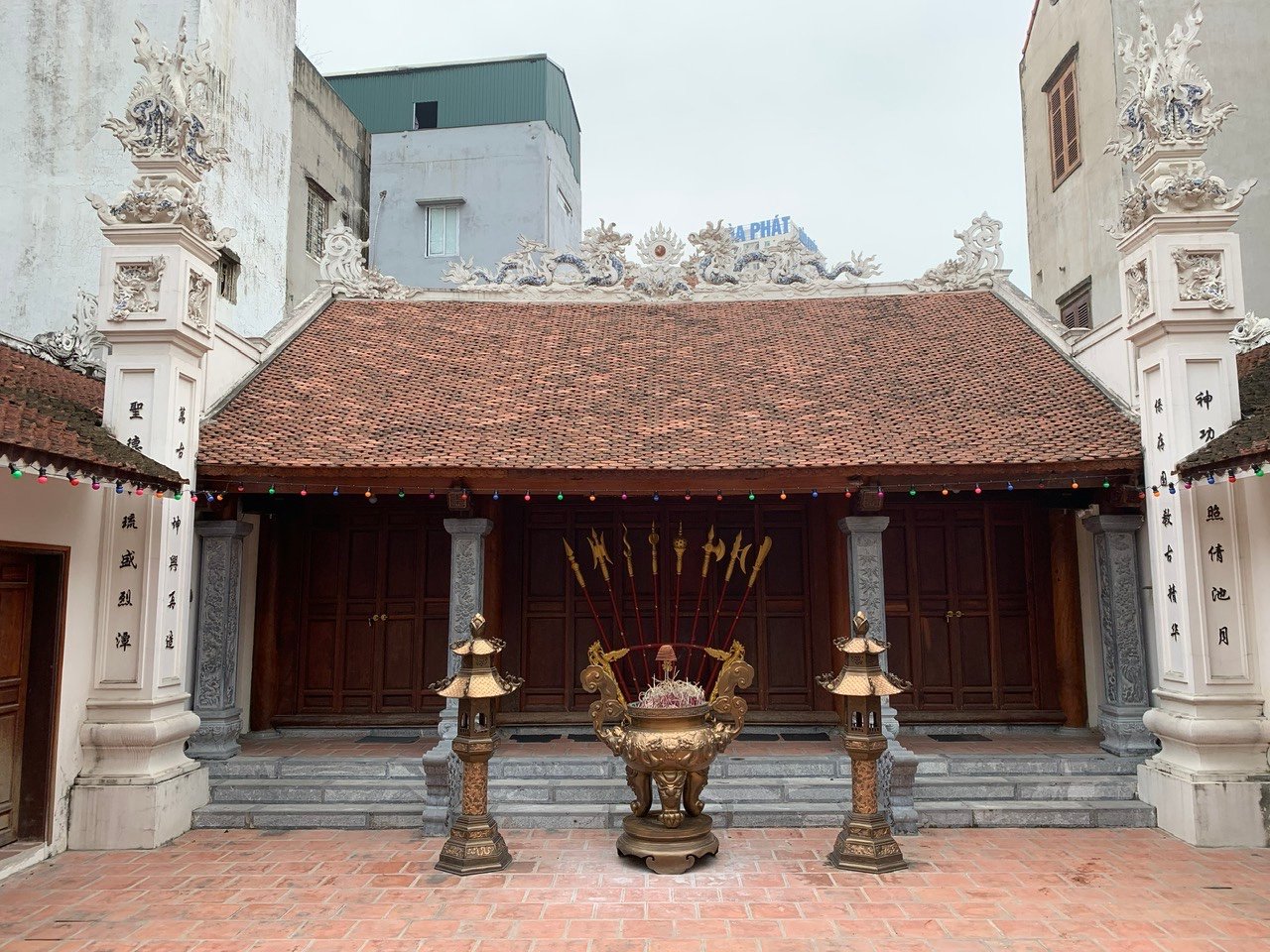
Giáp Bát Communal House is a cultural and historical relic associated with the spiritual life of the people of Giáp Bát village, now in Hoàng Mai Ward, Hanoi. Over many generations, the communal house has not only been a place to worship the village tutelary deity but also a space for cultural and religious activities of the local community.
The communal house was built in the traditional architecture of Vietnamese village communal houses, with distinctive features such as tiled roofs, wooden structural components, and a solemn worship space. The architectural details and worship objects in the communal house help demonstrate the skill of ancient artisans and reflect the cultural and religious life of the people of the Northern Delta.
Besides its architectural value, Giáp Bát Communal House also has important significance for the local community. It is a place where people remember the deities worshipped, practice traditional rituals, and organize cultural activities on festivals and holidays. Through this, the customs and cultural values of the village are preserved and passed on to future generations.
In the process of urbanization, relics such as Giáp Bát Communal House are increasingly meaningful in preserving the memory of an old rural village in the heart of Hanoi. Preserving the landscape, architecture, and cultural values of the communal house not only helps younger generations better understand local history but also contributes to protecting the traditional cultural identity of the capital.
Giáp Bát Communal House is therefore not merely a religious structure but also part of the community's memory and identity. It is a place connecting the past with the present, reminding everyone of the tradition of 'when drinking water, remember its source' and the responsibility to preserve the cultural values of their homeland.



