
Giap Luc Communal House
5.0Free
5.0Free
Introduction
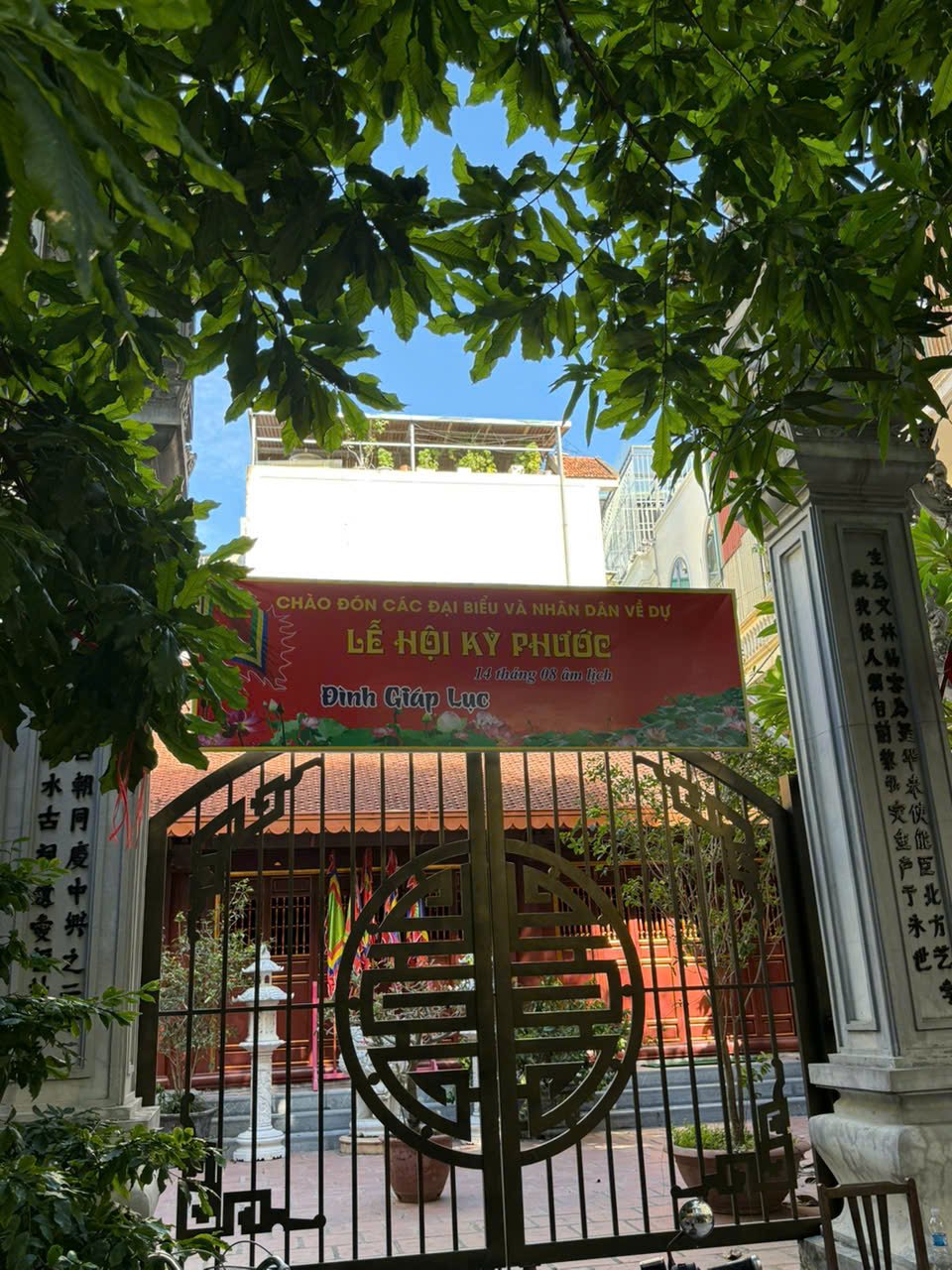
Giap Luc Communal House is a relic of important significance in the cultural and religious life of the people of Giap Luc village. It is not only a place for the community's religious activities but also a site preserving the historical, cultural, and traditional craft values of the locality. In particular, the communal house is the place of worship for Dr. Nguyen Chinh, whom the people revere as the village tutelary god and patron of the tin leafing craft.
According to tradition handed down among the people, Nguyen Chinh was a notable figure who lived and worked during the Le dynasty. With his intelligence, love of learning, and talent, he strove to study, achieved high academic honors, and was valued by the royal court. In the course of serving the country, he was once sent as an envoy to China.
During his mission, Nguyen Chinh had the opportunity to learn and acquire the craft of tin leafing, a handicraft technique used to decorate wood-carved products, worship objects, and to make joss paper. After completing his mission and returning to his homeland, wishing to help the people have an additional trade and livelihood, he taught the tin leafing technique to the people of Giap Luc village.
Through his teaching, the tin leafing craft was gradually adopted, preserved, and developed by the people. Over many generations, it became a traditional handicraft closely tied to the economic and cultural life of the local people. Tin leafing products not only demonstrate the skill and creativity of the craftsmen but also contribute to the beauty of buildings, worship objects, and traditional products.
Because of his contributions to the villagers, especially his contribution in passing on the craft, Nguyen Chinh has been reverently honored by generations of Giap Luc people as patron of the tin leafing craft. At the same time, he is worshiped at the communal house as the village tutelary god, a sacred deity who has the role of shielding, protecting, and bringing peace to the community.
Giap Luc Communal House has therefore become a place where the distinctive values of traditional village culture converge: the belief in worshiping the village tutelary god, the moral principle “when drinking water, remember its source”, gratitude toward those who contributed to the homeland and the awareness of preserving the traditional craft. Through worshiping Dr. Nguyen Chinh, the people not only commemorate a notable figure but also express respect for the person who contributed to creating livelihoods and passing down a handicraft to future generations.
Every year, on the 14th day of the 8th lunar month, the local people organize a festival at the relic site. This is an occasion for the community to remember the merits of the village tutelary god Nguyen Chinh, perform traditional rites, and organize community cultural activities. The festival contributes to strengthening solidarity among the people, educating younger generations about the traditions of the homeland, and reminding everyone of the responsibility to preserve the cultural values left by their ancestors.
Over time, Giap Luc Communal House and the worship of Dr. Nguyen Chinh have still held an important position in the spiritual life of the local people. The relic is evidence of the history of the formation and development of the Giap Luc village community, and it is also a place preserving the memory of the tin leafing craft – a traditional handicraft that has been attached to the homeland for many generations.
Today, preserving and promoting the values of Giap Luc Communal House is meaningful not only for preserving a religious structure but also for contributing to the preservation of community memory, folk beliefs, and traditional handicrafts of the locality. The image of Dr. Nguyen Chinh – revered by the people as the village tutelary god and patron of the tin leafing craft – continues to be cherished, preserved, and passed on to future generations.
Giap Luc Communal House is therefore not only a place for local people to return to their spiritual roots but also a cultural address, a place connecting the past with the present, contributing to enriching the cultural identity of the homeland.



