Van Tri Communal House
Story
01Van Tri Communal House
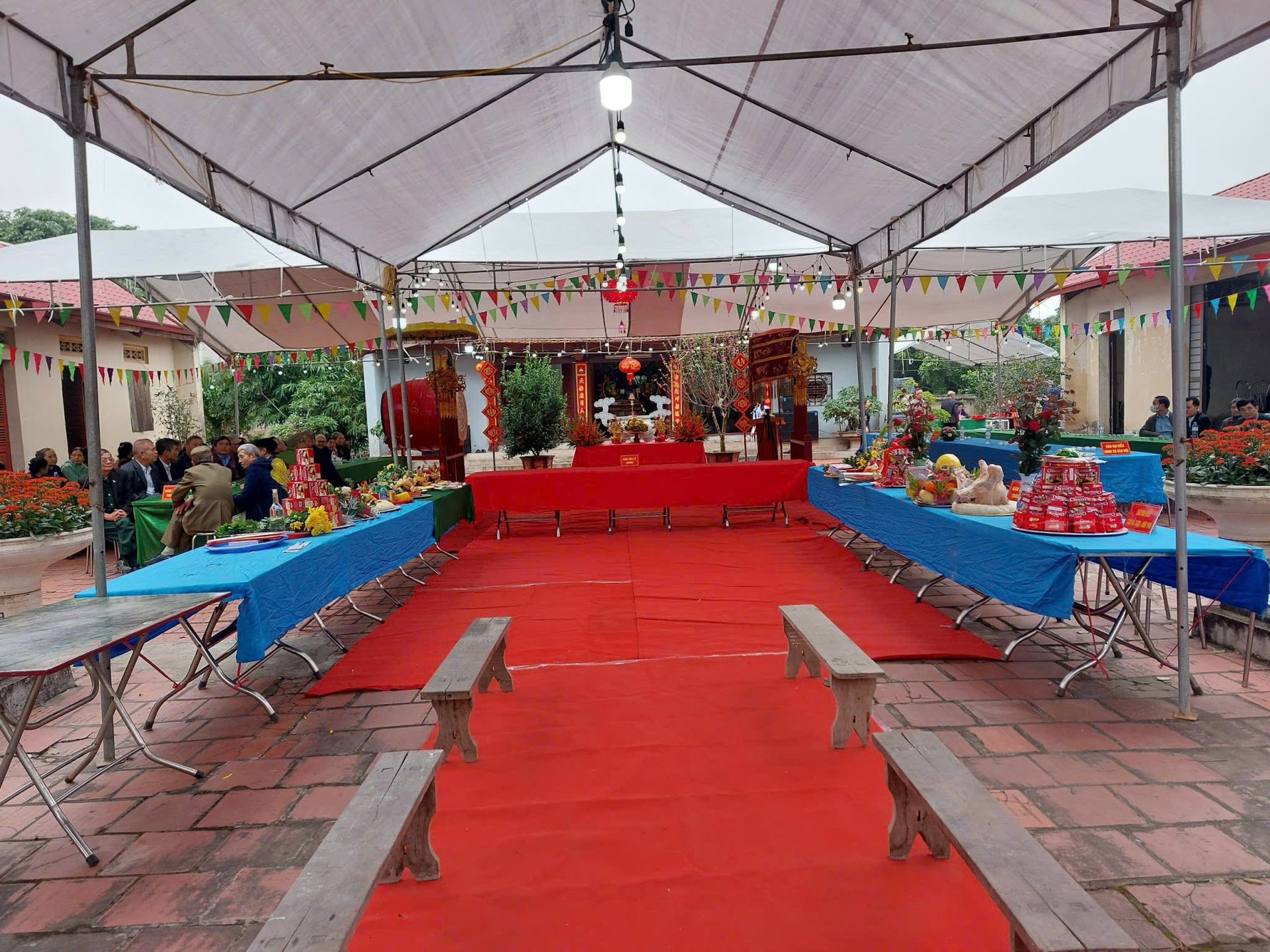
Van Tri Communal House is located in Van Tri Village, Phuc Thinh Commune, Hanoi City.
Van Tri Communal House, also known as Ca Communal House, was built on the highest and most open plot of land in the middle of Van Tri Village. Behind the communal house is Van Linh Pagoda, also known as Ca Pagoda. This placement of the communal house and pagoda follows the architectural principle of 'front shrine, rear Buddha,' reflecting the harmony between the worship of the village tutelary god and Buddhism in the spiritual life of the Vietnamese people.
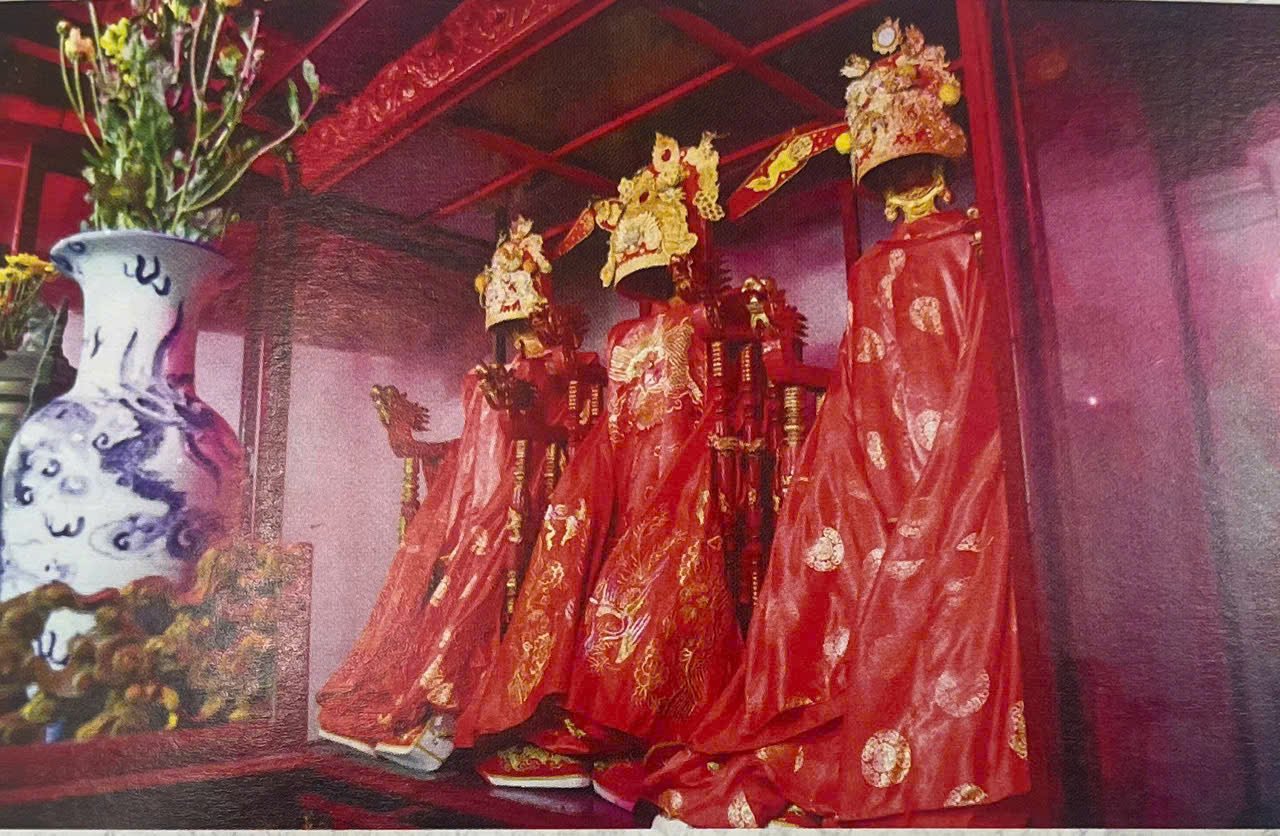
Van Tri Communal House worships three deities: Dong Binh Great King, Thai Gioi Great King, and the Local Tutelary God. According to legend, Dong Binh Great King refers to twin brothers who helped the Trung Sisters fight invaders and save the country. After the victory, the two returned to Van Tri to live, working alongside the people and building a peaceful life. According to the deity records, investitures, and surviving documents, Van Tri Communal House originated from a temple believed to have been formed during the Trung Sisters' era. Over many centuries, the temple gradually became a village communal house. A stele recording a meeting on taxes and the honoring of a person who served the communal house in 1802 shows that the name Van Tri Communal House had appeared at least by the early 19th century and that the communal house played an important role in local life.
Van Tri Communal House was not only a place for religious activities but also associated with many revolutionary events of the locality. From March 1945, the communal house yard was used as a training ground to train forces and prepare weapons for the General Uprising. The communal house was also the place where rallies were held to announce the General Uprising to seize power and declare the establishment of the provisional revolutionary government. After the August Revolution, the communal house continued to be used as the headquarters of the revolutionary government and as a place for activities of the Fatherland Front, mass organizations, and the people.