
Yên Duyên Communal House
5.0Free
5.0Free
Introduction
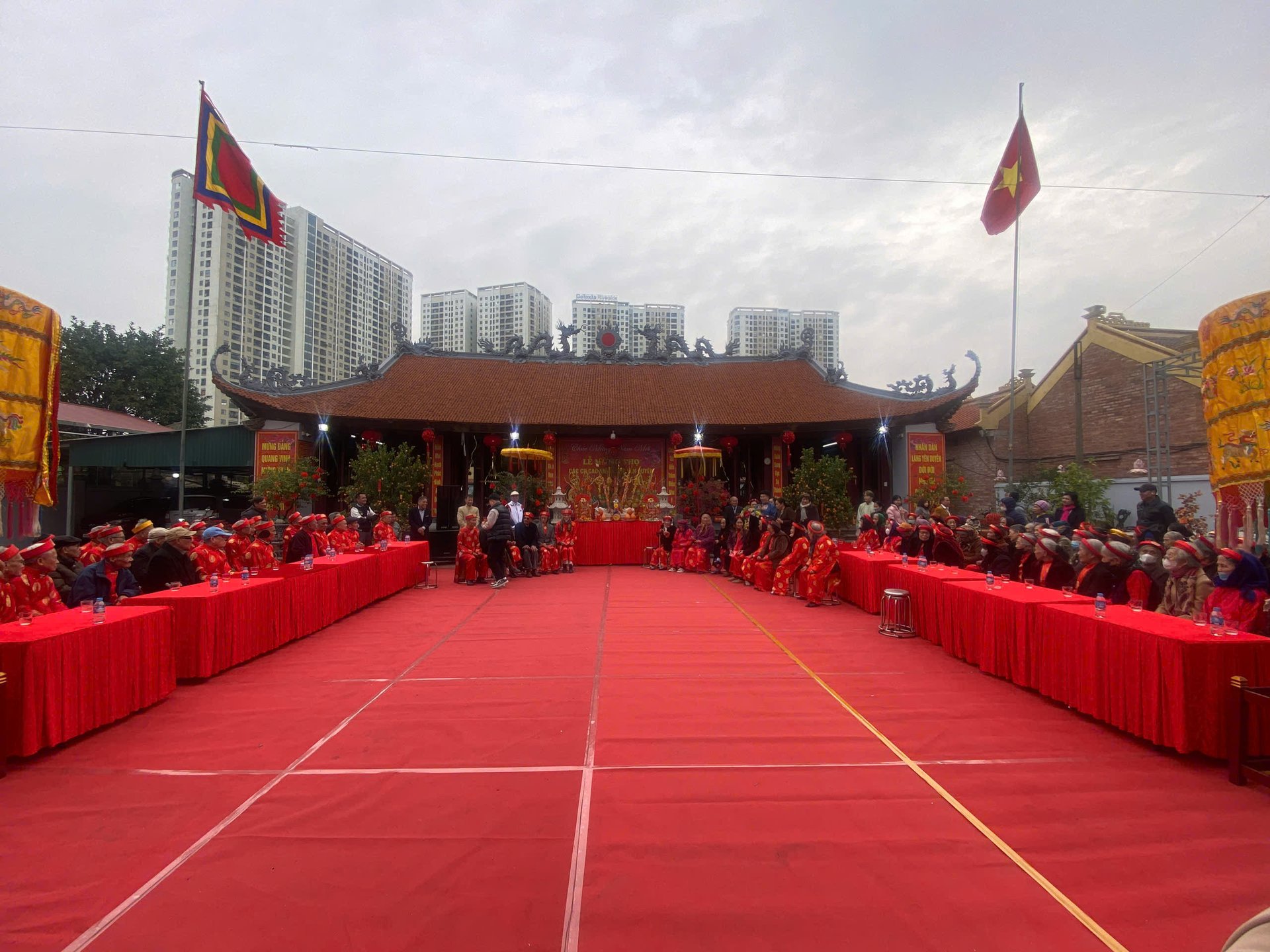
Nam Dư Hạ Communal Temple It is a relic with a long history, closely associated with the cultural and religious life of local people. Due to many historical upheavals, the communal house no longer has documents to determine exactly the year of its founding. During the resistance war against the French, some items of the communal house were demolished and burned. Through many renovations and embellishments, especially the period 2001–2025, the communal house was refurbished and restored in traditional architectural style. Currently, the relic includes the following items: nghi môn (gate), phương đình (square pavilion), đại bái (main worship hall), trung cung (central chamber), hậu cung (rear sanctuary), tả vu (left wing), and hữu vu (right wing).
Nam Dư Hạ Communal House worships Three Tutelary Deities: Tâm Đầu Cửu Vĩ Long Vương, Grand Commandant Chương Võ Grand Preceptor (Nguyễn Xí), and Lê Gia Empress Dowager.
Every year, the traditional festival of Nam Dư Hạ village is held from the 14th to the 16th day of the second lunar month, of which the most distinctive is the water procession ceremony (lễ cấp thủy). On the 14th day of the second lunar month, the procession with eight-bearer palanquins, eight treasures, drums, flags, and fans departs from the communal house to the Red River wharf to perform the water-fetching ritual. This is a religious activity imbued with the cultural identity of the community, jointly preserved by the people of the three villages of Nam Dư Thượng, Nam Dư Hạ, and Thúy Lĩnh.
The communal house currently preserves many valuable artifacts such as horizontal plaques, parallel sentences, bronze censers, worship cranes, shrines, ceremonial curtains, eight treasures, dragon thrones, and memorial tablets; especially three sets of eight-bearer palanquins with distinctive Lê Dynasty carvings.
With its historical, architectural, religious, and festival values, Nam Dư Hạ Communal House is an important cultural space, contributing to preserving and promoting the fine traditions of the local community.



