
Phu Vinh Bamboo and Rattan Weaving Craft Village
Introduction
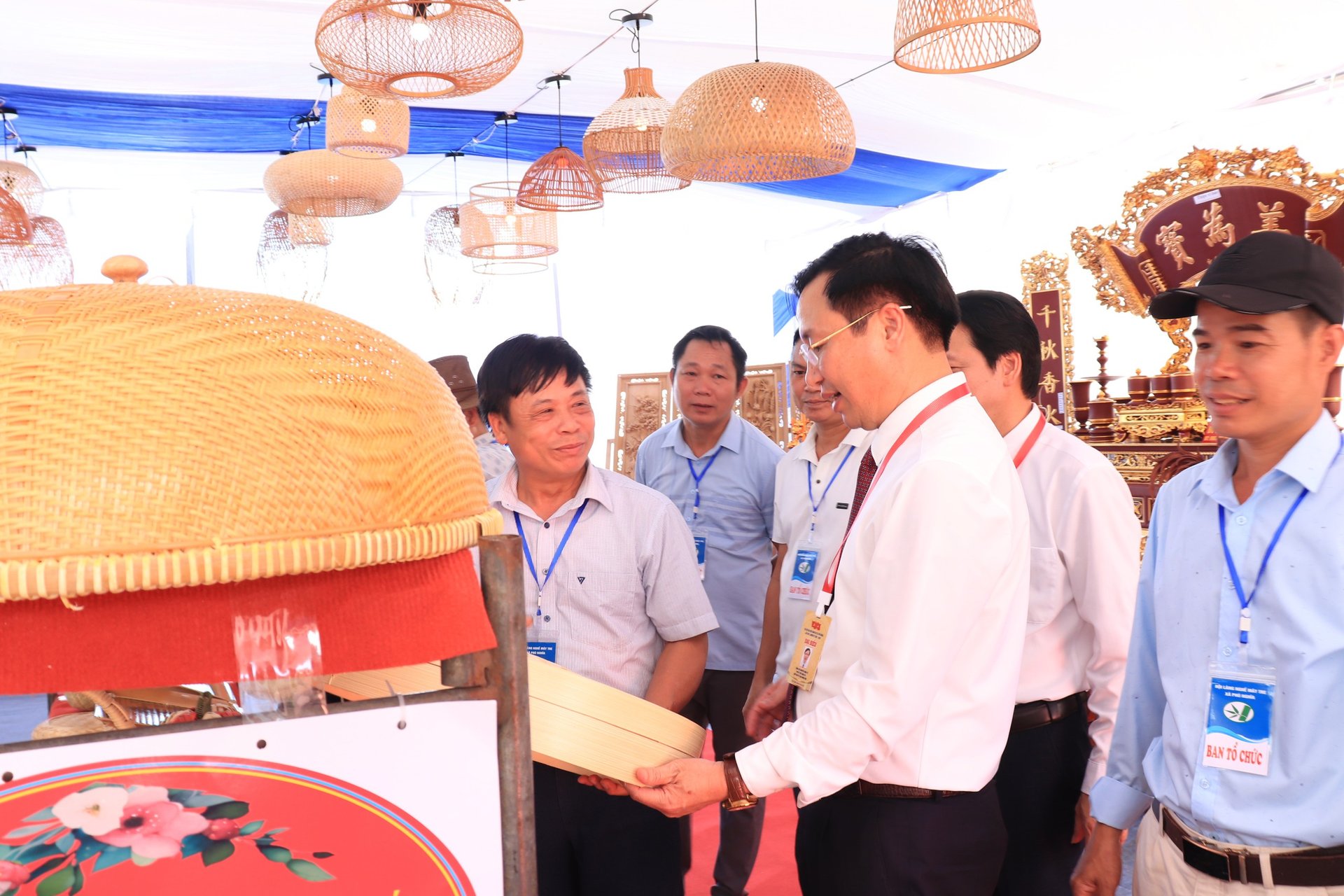
Phu Vinh is not only known as one of Hanoi's typical traditional craft villages but also an attractive destination for tourists who love exploring culture, experiencing handicrafts, and learning about the traditional values of the northern Vietnamese countryside.
Phu Vinh Village was formerly named Phu Hoa Trang. The bamboo and rattan weaving craft here was formed more than 400 years ago and has been continuously passed down through many generations.
Legend has it that in the beginning, in the Go Dau area – once a resting ground for flocks of white storks – people picked up fallen stork feathers to weave into hats, conical hats, and some items for daily life. As natural materials gradually became scarce, through observation and creativity, people turned to familiar materials such as rattan, bamboo, giang, song, and nua... From those simple materials, with skill and creativity, craftsmen created durable and beautiful products, marking the beginning of the formation of the Phu Vinh bamboo and rattan weaving craft.
Initially, the craft only served the daily needs of local people with products such as baskets, trays, panniers, nong, nia, and hampers... But over time, the craft developed increasingly. Secrets of selecting materials, splitting bamboo strips, smoothing rattan, shaping, and weaving patterns were passed down from generation to generation, becoming a precious asset of each family and of the entire craft village community.
During the period of renovation and integration, Phu Vinh's production facilities boldly renewed technology, improved designs, and enhanced product quality, meeting the increasingly high demands of domestic and foreign markets.
Phu Vinh-branded bamboo and rattan products are now present in many countries such as Japan, the United States, Germany, France, the Netherlands, Spain, and many other markets. From a purely agricultural village, Phu Vinh has become an address known to many international partners, contributing to promoting the image of Vietnamese culture through handicraft products rich in national identity.
That is not only the pride of Phu Vinh people but also evidence of the enduring vitality of traditional craft villages in the process of integration and development.



