
Quán Thá
Introduction
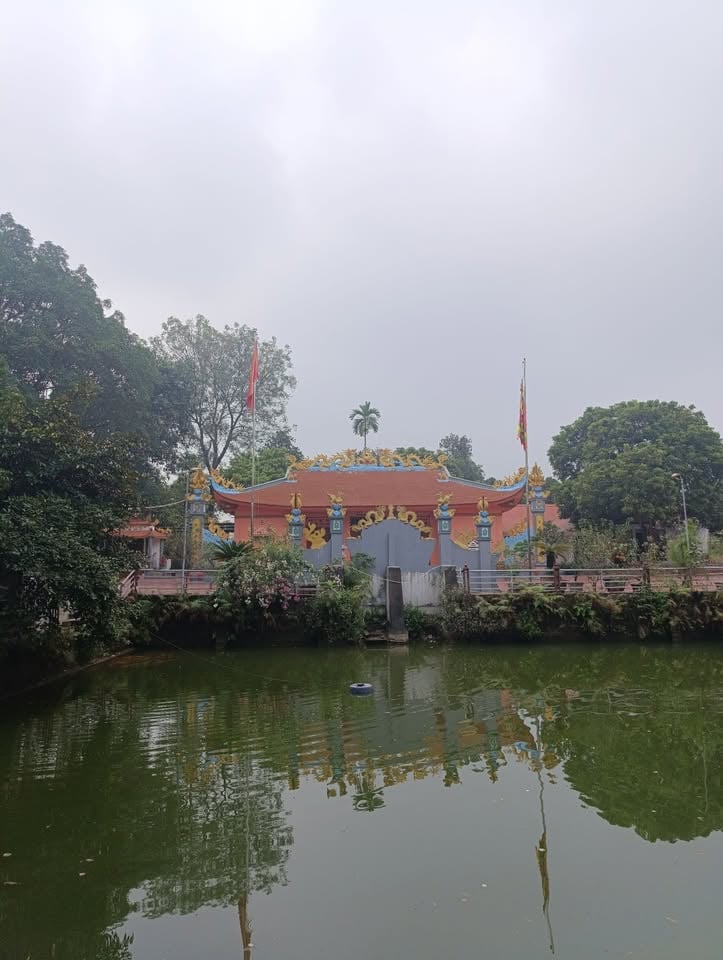
Quán Thá is located on high, open ground at the end of Đồng Mít village, Phúc Sơn commune (formerly Phúc Lâm hamlet), facing southwest. This is a relic site worshipping three deities as village tutelary gods, including the celestial deity Princess Quế Hoa and two human deities from the period of Chinese domination, Đức Thánh Cả - Đỗ Lang and Đức Thánh Hai - Thiện Sỹ. According to the legend, Thiện Sỹ was a child prodigy from an early age and had mastered the classics and histories by the age of thirteen; when he grew up, he established a school to teach, fulfilled filial piety, and was respected by the people as Châu trưởng. Thanks to his virtue and talent, he was appointed by the king as Đại tư đồ, granted the title of Quận công, and commanded tens of thousands of soldiers to pacify rebellious chieftains in Cửu Chân through righteous persuasion, helping the people live in peace and work. After he died on the 10th day of the 9th lunar month in the Bính Ngọ year, the king issued a royal edict conferring on him the title of Phúc thần, and the villagers built a shrine to worship him. His nephew Đỗ Lang took over his duties and, in the Đông Đế era, was appointed Đô Hộ. When Vương Mãn rebelled and Han troops invaded, Đỗ Lang led his troops back to Phúc Lâm hamlet and stationed them at the deity's shrine; he dreamed that Princess Quế Hoa, in her divine efficacy, pledged secret assistance; after a decisive battle to break the siege, he passed away by the river on the 7th day of the 6th lunar month in the Đinh Mùi year. In terms of architecture, Quán Thá today includes the following components: a pond, an ancient well, a screen wall, a large brick-paved courtyard, the Đại bái (main worship hall), and the Hậu cung (rear sanctuary). The Đại bái has three compartments. Quán Thá not only preserves the value of spiritual architecture but is also a place honoring the human deities who had merit in defending the country and bringing peace to the people of the former Mỹ Đức land.



