
NGUYỆT ÁNG TEMPLE OF LITERATURE
Introduction
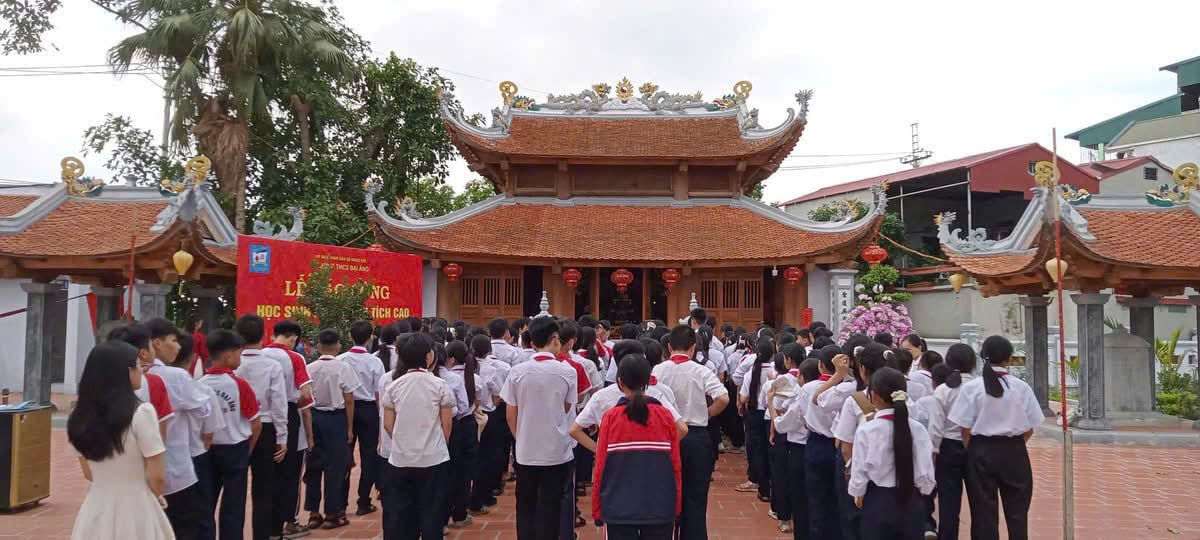
Nguyệt Áng Temple of Literature is a typical historical and cultural relic of the Ngọc Hồi area, located beside the gentle Nhuệ River. With special value in the tradition of studiousness and academic success, the relic was ranked as a national-level historical and cultural relic by the Ministry of Culture and Information (now the Ministry of Culture, Sports and Tourism) in 1995. It is not only a place to worship Confucius and the ancient Confucian scholars but also a sacred symbol of the tradition of “respecting teachers and valuing morality” and “taking learning as the foundation” of the land famous for its academic achievements in the past.
The Temple of Literature was first built in the Đinh Mùi year (1667) under the reign of King Lê Huyền Tông, initiated by the brothers Trạng nguyên (First Doctoral Laureate) Nguyễn Quốc Trinh and Tiến sĩ (Doctoral Laureate) Nguyễn Đình Trụ. The project expressed the aspiration to exalt learning, moral education, and nurture talent for the homeland. Over many centuries, Nguyệt Áng Temple of Literature has become a spiritual center closely associated with the local community's tradition of studiousness.
Nguyệt Áng Village is famous as a land of academic success with 11 Doctoral Laureates recorded in history, including 1 First Doctoral Laureate and 1 Hoàng giáp (Second Doctoral Laureate). The most prominent is Nguyễn Quốc Trinh – a famous and talented First Doctoral Laureate who once held the position of Bồi tụng and made many contributions to the royal court. Along with him, there were many other academic celebrities such as Hoàng giáp Nguyễn Đình Trụ, Nguyễn Danh Thọ, Nguyễn Đình Bách, Nguyễn Xuân Đài, Nguyễn Đình Ý, Nguyễn Đình Quý, Lưu Tiệp, Lưu Định, Lê Xuân Kinh, and Lưu Quý. Those names contributed to the distinguished tradition of learning of Nguyệt Áng land.
The relic still preserves many traditional architectural elements such as the three-entrance gate, brick yard, ancient trees, and especially two stone steles erected in 1667 and 1876. The contents of the steles record the history of building the Temple of Literature, the list of successful candidates, and the contributions of local clans and people. They are regarded as valuable “stone histories” vividly reflecting the tradition of studiousness and the spirit of valuing letters of our ancestors over many centuries.
Today, Nguyệt Áng Temple of Literature is not only an important historical and cultural relic but also a place for traditional education for younger generations. Every year, the locality organizes study-promotion activities, honors students who pass exams, and holds traditional cultural activities within the temple grounds, contributing to continuing and spreading the studious spirit of the homeland.



